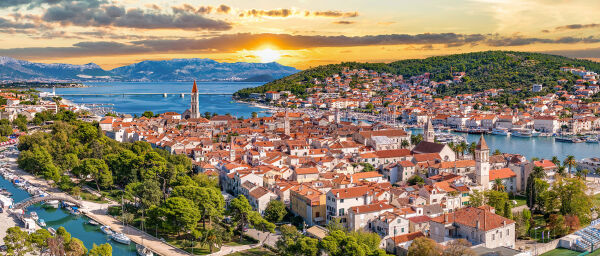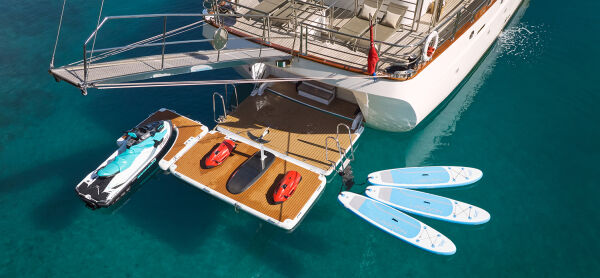
What Language is Spoken in Croatia?

What Language is Spoken in Croatia?

What is the official language spoken in Croatia ?

If you’ve ever wondered what language is spoken in Croatia, the answer is  Croatian is the official language. It is very similar to the language in Bosnia and Herzegovina, Serbia and Monte Negro. It also has plenty of words in common with Slovenian, so citizens from those countries will understand each other. Croatia’s rich and evolving history has shaped its language over centuries. The Croatian you hear today is the product of more than 900 years of literary development. Below, we unveil the 5 interesting things you must know if you want to know what language is spoken in Croatia.

5 Key Facts about the Language in Croatia

    Type of brochure

    3 dialects in croatian language
    FACT #1. The 3 Main Dialects of Croatian

    3 Main Croatian Dialects

    When discussing Croatia and its various regions, it’s interesting that some Croatians may have difficulty understanding one another. Croatia has three distinct dialects, and speakers of each dialect may struggle to comprehend one another if they speak in their dialects without simplifying their language. Neighboring languages largely influence this linguistic variation. Croatian is traditionally divided into three main dialects, each named based on the word they use for “what“:


    1. Nr.1 – Štokavian (Štokavski) – Word for “what”: što
      Most widespread dialect, forming the basis of the standard Croatian language.
    2. Nr.2 – Kajkavian (Kajkavski) – Word for “what”: kaj
      It is predominantly spoken in northwestern Croatia, including regions around Zagorje, Varaždin, and parts of Zagreb. Strongly influenced by Central European languages like German and Hungarian. It has distinct grammar and vocabulary that can be unintelligible to speakers of other dialects.
    3. Nr.3 – Čakavian (Čakavski) Word for “what”: ča
      Common in coastal Croatia, particularly Istria, Kvarner, and parts of the Dalmatian Islands. It is known for its melodic sound and many archaic Slavic features.
    Croatian vs. Serbian: What’s the Difference?
    FACT #2. Croatian vs. Serbian, Bosnian, and Montenegrin

    Croatian vs. Serbian: What’s the Difference?

    All nations, Croats, Serbs, and Bosniaks (Croats or Serbs converted to Islam during the Ottoman Empire 500 years ago) speak Slavic languages: Croatian, Serbian, and Bosniak. The latter is nothing more than a modern name for Serbo-Croatian. Both languages ​​are so similar that the distinction is of no great importance to foreigners, and locally, there are, of course, some differences, but so minimal that people there understand each other completely, except when they don’t understand each other, and this has nothing to do with language, but with religion and politics.

    Croatian vs. Serbian, Bosnian, and Montenegrin

    Although Croatian, Serbian, Bosnian, and Montenegrin are mutually intelligible and share a common linguistic root, each is standardized independently. Differences exist in vocabulary, pronunciation, grammar nuances, and script (Serbian uses Cyrillic more commonly).

    croatian alphabet letters
    FACT #3. Croatian Alphabet for Travelers

    Croatian Alphabet Tips

    If you’re planning a trip to Croatia, getting familiar with a few basics of the language can go a long way, especially when reading signs, maps, or menus. Croatian uses a 30-letter version of the Latin alphabet, and it includes some characters you won’t find in English.

    Watch out for these unique letters: Č, Ć, Dž, Đ, Lj, Nj, Š, and Ž. They may look a little unfamiliar, but they represent specific sounds that are easy to pick up. For example:

    • sounds like the “j” in jeans (as in Džungla – jungle).
    • Lj is like the “ll” in brilliant (try saying Ljubav – love).
    • Nj is close to the “ni” in companion (think Njam – yum!).

    These combinations are actually considered single letters in Croatian. So don’t be surprised if they have their own spots in dictionaries or alphabetical lists.

    Also good to know: Croatian doesn’t use the letters Q, W, X, or Y in everyday words. You might still spot them in brand names or foreign terms, but they’re not part of the native alphabet.

    Lastly, be mindful of subtle differences, especially Č and Ć. Both are pronounced like “ch,” but:

    • Č is a hard “ch,” like in cheese, chocolate, or cherry.
    • Ć is softer, like the “ch” in cheap, chilli, or chew.

    Learning just a few of these sounds can make your travel experience smoother, and locals will appreciate the effort!

    FACT #4. Croatian is a systematic and complex language

    Croatian: It is logical but challenging.

    Croatian is a systematic and complex language. It is known for its rich and nuanced tense structure, which includes four past tenses (Perfect, Aorist, Imperfect, and Pluperfect), one present tense, and two future tenses (Future I and Future II). While this may seem intimidating, the good news is that to speak Croatian effectively in everyday communication, you only need to master one key tense for the past, present, and future.

    croatia regions

    Reading Croatian: A Truly Phonetic Language

    One of Croatian’s most learner-friendly aspects is its phonetic nature: each letter consistently corresponds to one sound. There are no silent letters, irregular spelling rules, or confusing combinations. Every letter is pronounced the same way every time, making reading and pronunciation much easier than in many other languages.

    Learning Croatian is difficult, even though its logical structure and phonetic consistency are helpful. Achieving fluency requires time and practice, as mastering sentence construction, grammatical cases, and vocabulary can be challenging. While the language has features that assist learners, there are no magic shortcuts; achieving proficiency requires persistence.

    Croatian girl speaking English
    FACT #5. Croatians excel at foreign languages.

    Foreign Language Proficiency

    Foreign Language Proficiency: Croatians are known for their high proficiency in foreign languages, especially among younger generations. English is widely spoken, particularly in urban centers, tourist destinations, and among professionals. German and Italian are also popular, mostly among older generations that used to work abroad during communism. These languages reflect historical ties and tourism patterns in past times. The main language spoken is English, which young people mostly use because of the internet, music, movies, and TV shows.

    Language Learning in Schools: English is the most commonly taught foreign language in schools.
    German, Italian, and French are frequently considered second or third languages.

    FAQs About Croatian Language

    Where and in which countries is the Croatian language spoken?

    Croatian is a South Slavic language primarily used in Croatia, as well as in parts of Bosnia and Herzegovina and the Vojvodina region of Serbia. There are sizable diaspora communities in Europe, the USA, Canada, Australia, and Latin America. Approximately 5 million people speak it natively, with about another 2.5 million abroad.

    What is the Croatian alphabet like?

    The Croatian alphabet is based on the Latin script and consists of 30 letters. It is phonemic, meaning that each letter corresponds closely to a specific sound, which makes pronunciation straightforward once the rules are learned.

    How to learn Croatian language?

    Use language learning apps like Duolingo, Babbel, or Memrise.
    Enroll in a Croatian language course at a local community college or online.
    Practice speaking with native speakers through language exchange platforms like Tandem or HelloTalk. Immerse yourself in Croatian media, watch movies, listen to music, and read books in Croatian. Join Croatian language forums or social media groups for practice and tips. Set daily language goals and practice consistently.

    What are must-know basic Croatian phrases in for beginners and travelers?

    Hello – Bok – Pronunciation (approx.) bohk
    Goodbye – Doviđenja – Pronunciation (approx.) doh-vee-JEH-nyah
    Please – Molim – Pronunciation (approx.) MOH-leem
    Thank you – Hvala – Pronunciation (approx.) HVAH-lah
    Yes – Da – Pronunciation (approx.) dah
    No – Ne – Pronunciation (approx.) neh
    Excuse me – Oprostite – Pronunciation (approx.) oh-PROH-stee-teh
    How much does this cost? – Koliko to košta? – Pronunciation (approx.) KOH-lee-koh toh KOHSH-tah
    Bathroom – Toalet – Pronunciation (approx.) toh-AH-leht
    Water – Voda – Pronunciation (approx.) VOH-dah

    Do they speak English in Croatia?

    Yes, English is commonly spoken in Croatia, especially in tourist areas and among younger people.

    7 Top Things To Do in Zadar Old Town, Croatia

    Top things to do in Zadar, Croatia

    Introduction: Why Zadar Old Town Deserves Your Attention in 2025

    In the increasingly saturated travel scene of Croatia, one city quietly stands apart: Zadar. So, whether you’re curious about the best things to do in Zadar old town or simply looking for a more authentic travel experience, this guide will show you why it should be at the top of your list.

    Is Zadar Worth Visiting? 7 Top Things To Do in Zadar

    Located on the Dalmatian coast and often bypassed for tourist-heavy spots like Dubrovnik and Split, Zadar Old Town is where authenticity, innovation, and ancient history converge. But is Zadar worth visiting? For the well-informed traveller, the answer is a decisive yes. This article explores the key reasons Zadar should top your list, whether you’re a solo adventurer, history buff, nature enthusiast, or culinary traveller. This guide will walk you through Zadar’s highlights and help you uncover the top things to do in Zadar that will make your trip truly special. Let’s dive into why this coastal gem should be on your itinerary.

    Zadar: The Underrated Jewel of Croatia

    Located in northern Dalmatia, Zadar is one of Croatia’s oldest continuously inhabited cities. With roots stretching back over 3,000 years, it’s a seamless blend of the ancient and the modern. The city boasts Roman forums, medieval churches, innovative sea installations, and vibrant food and nightlife.

    Key Highlights:

    • Population: ~75,000
    • Region: Northern Dalmatia, Croatia
    • Currency: Euro (EUR as of 2023)
    • Best Time to Visit: May to September

    Zadar’s charm lies in its ability to offer a tranquil escape without sacrificing cultural richness or urban excitement.

    What Are the Best Things to Do in Zadar Old Town?

      Type of brochure

      Sea Organ Zadar best things to visit
      #1. Visit the Sea Organ in Zadar – A Symphony Played by the Sea

      The Sea Organ on Zadar Promenade

      The Sea Organ (Morske Orgulje) is one of Zadar’s most iconic and innovative attractions. Designed by architect Nikola Bašić and completed in 2005, this architectural masterpiece consists of a series of marble steps that descend into the sea.

      Beneath these steps are 35 organ pipes of varying lengths and diameters. As waves and wind push air through the pipes, they produce harmonics that create a continuous, ever-changing melody. The sound is almost like hearing whales softly singing beneath, both haunting and beautiful, offering a natural concert unlike anything else in the world.

      Whether visiting solo or with loved ones, the Sea Organ invites you to sit, reflect, and listen as nature composes its music. It is a perfect spot for sunset contemplation and one of the most memorable experiences in Zadar Old Town.

      Fun Fact: The Sea Organ won the 2006 European Prize for Urban Public Space.

      Top Things to do In Zadar
      Is Zadar worth visiting?
      #2. Visit The Greeting to the Sun in Zadar

      Greeting to the Sun

      Adjacent to the Sea Organ is another modern wonder, also designed by Nikola Bašić: the Greeting to the Sun (Pozdrav Suncu). This 22-meter wide solar-powered installation consists of 300 multi-layered glass plates embedded in the pavement.

      Zadar’s Greeting to the Sun

      During the day, these solar modules absorb sunlight and store energy. At night, they release that energy in the form of a dynamic, colourful light show synchronized with the rhythm of the Sea Organ. The result is a glowing visual spectacle that mirrors the universe and reflects Croatia’s connection to nature and innovation.

      The installation also includes representations of the solar system and displays astronomical data about the Sun, moon, and planets.

      Travel Tip: Arrive 30 minutes before sunset to secure a good spot and enjoy the show as the sky transitions into twilight. Together, the Sea Organ and Greeting to the Sun encapsulate Zadar’s unique ability to blend art, science, and the natural world into awe-inspiring public spaces.

      Is Zadar worth visiting?
      #3. Stroll through the Old Town of Zadar

      Zadar Old Town

      A stroll through the Old Town of Zadar offers visitors a captivating journey into the city’s rich heritage. The main pedestrian street, Kalelarga, is the central artery connecting significant historical sites and bustling squares.

      Along Kalelarga lies People’s Square (Narodni trg), a lively gathering spot lined with cafés and historic buildings that reflect Zadar’s cultural vibrancy.

      Explore Five Wells Square, a delightful area rich in history. Named after the five historic wells constructed to ensure the city’s water supply during sieges, this Square now offers a peaceful environment perfect for relaxation. Additionally, it is a great starting point for discovering nearby historical attractions.

      Continuing onward, visitors arrive at the Roman Forum, an ancient public square surrounded by remarkable archaeological remains, including the iconic Church of St. Donatus. Kalelarga and these prominent squares highlight Zadar’s Old Town’s architectural and historical charm.

      Zadar city Gates
      #4. Explore the historic City Walls of Zadar and admire the impressive City Gates.

      Discover Zadar’s Historic City Walls & Gates

      Discover the Zadar City Walls, one of the must things to do in Zadar, where history and beauty intertwine at the remarkable Land Gate and other iconic City Gates. Walking along these well-preserved fortifications, you’ll experience the city’s rich resilience and cultural significance legacy.

      The magnificent Land Gate, an ornate Renaissance triumphal arch built in 1543, features intricate carvings of Venetian lions and the emblem of St. Mark, reflecting Zadar’s historic role in the Venetian maritime empire.

      Nearby, the Sea Gate and the Gate of St. Rocco showcase unique architectural details and heraldic motifs, emphasizing Zadar’s status as a fortified jewel of the Adriatic. These landmarks are essential stops on any journey through the Old Town, inviting you to immerse yourself in Zadar’s captivating heritage.

      Land Gate Zadar
      Top things to visit in Zadar
      #5. Discover Zadar’s Historic Old Town

      Historic Heart of Zadar

      Continuing onward, visitors arrive at the Roman Forum, an ancient public square surrounded by remarkable archaeological remains, including the iconic Church of St. Donatus. Kalelarga and these prominent squares highlight Zadar’s Old Town’s architectural and historical charm.

      Zadar’s Old Town is a living museum. Walk through cobbled alleys lined with Roman ruins, medieval churches, and bustling cafés. Don’t miss:

      • The Roman Forum – Built in the 1st century BC
      • St. Donatus Church – Iconic circular church from the 9th century
      • St. Anastasia’s Cathedral – Largest cathedral in Dalmatia
      • The Zadar Old Town offers a historical deep dive without the overwhelming crowds in other major cities.
      Zadar Bell tower
      #6. Climb the Bell Tower in Zadar

      Zadar Bell Tower

      The Bell Tower of Zadar, located beside the Cathedral of St. Anastasia, is one of the top things to do in Zadar old town and an iconic landmark offering stunning panoramic views of the Dalmatian coast. Although attached to the Cathedral, it has its own entrance, allowing for an independent visit focused on the views and architecture.

      Construction of the Bell Tower spanned over 400 years, beginning in the 12th century and concluding in the late 19th century. Its Romanesque base and later additions showcase the city’s evolving architectural styles.

      Visitors who climb the 200 steps are rewarded with breathtaking 360-degree views, stretching from Zadar’s Old Town to the Adriatic Sea and the surrounding islands.

      Entry is just 2 euros, making it excellent value. However, the Bell Tower is only open during the tourist season, so it’s best to check opening hours before your visit.

      Best things to do in Zadar
      #7. Try Top Traditional Croatian Dishes in Zadar

      Zadar’s Local Cuisine

      Zadar is a culinary treasure trove for food lovers, offering an authentic taste of traditional Dalmatian cuisine. The region’s food culture is rooted in simplicity, freshness, and bold Mediterranean flavours – especially regarding seafood.

      Every dish reflects the Adriatic’s bounty, from grilled octopus to baked white fish seasoned with local herbs and olive oil. For a truly local experience, don’t miss Pašticada, a slow-cooked beef stew marinated in red wine, garlic, and aromatic spices, traditionally served with soft gnocchi or creamy mashed potatoes. It’s a dish that tells the story of Dalmatian heritage in every bite.

      Another regional delicacy is Paški sir (Pag cheese), a hard sheep’s milk cheese from the nearby island of Pag. Its rich, salty, and slightly tangy flavour pairs perfectly with Dalmatian prosciutto or a glass of local red wine.

      To immerse yourself in Zadar’s culinary scene, explore the charming streets of the Old Town. Traditional taverns (konobas) and family-run restaurants serve authentic Croatian dishes in atmospheric, stone-walled settings.

      zadar worth visiting
      Pros & Cons of Visiting Zadar: Is It Worth the Trip?

      Pros & Cons Zadar:

      Is It Worth the Trip? Located along Croatia’s Dalmatian Coast, Zadar is often overlooked in favour of its more famous neighbours, such as Dubrovnik and Split. However, this ancient city is rich in history and modern charm, making it a rising star in European travel. If you’re considering a trip and wondering if Zadar city is worth visiting, here’s a clear and concise breakdown of the pros and cons and a spotlight on the best things to do in Zadar to really enjoy it.

      Pros & Cons of Visiting Zadar Old Town
      Pros Cons
      Less crowded than Dubrovnik or Split Limited nightlife compared to larger cities
      Authentic Croatian Vibe (Without the Overcrowding) Airport Connectivity Is Seasonal – Fewer international flight connections
      Walkable and compact city layout Some areas close early outside of peak season
      Unique Attractions You Won’t Find Elsewhere Can Feel Quiet During Off-Season
      Strategic Location for Island Hopping & National Parks Beach Quality Can Be Inconsistent
      Affordability Compared to Other Croatian Cities

      FAQs About Zadar, Croatia

      Is Zadar worth visiting for families?

      Yes, with all these amazing things to see and alltogether with its safe beaches, family-friendly parks, and relaxed vibe, Zadar is great for travellers of all ages.

      How many days should I spend in Zadar?

      A 2-3 day stay allows you to explore the city and take one or two nearby excursions.

      Can you get by using English in Zadar?

      Absolutely. English is widely spoken, especially in tourist areas.

      Is Zadar Old Town expensive?

      Compared to Dubrovnik and Split, the city of Zadar is more affordable, especially regarding dining and accommodations.

      Conclusion: So, Is Zadar Worth Visiting?

      Zadar is not just worth visiting – it might become your favourite Croatian city. With a harmonious blend of history, innovation, natural beauty, and coastal charm, Zadar offers a rewarding experience for every type of traveller. Whether wandering ancient streets, soaking in a sea symphony at sunset, or island-hopping through the Adriatic, Zadar delivers unforgettable memories without the tourist overload.

      Weather in Croatia in October

      A Guide to the Weather in Croatia in October: What to Expect on a Luxury Yacht Charter?

      Autumn smooths out the heat and brings peace to Adriatic’s towns, coves, and bays—perfect time at sea and warm enough to enjoy swimming. As you prepare for a luxury yacht charter to travel along the stunning coast of Croatia in October, it’s essential to understand what kind of weather to expect. With sparkling turquoise waters and breathtaking views, Croatia promises an unforgettable experience. The early autumn month of October brings a change in the atmosphere, transitioning from warm and hot summer days to cooler temperatures.

      Weather in Croatia for October

      Croatia experiences a pleasant and mild climate in October, providing ideal conditions for exploring the Adriatic Sea. Temperatures typically range from 15°C to 20°C (59°F to 68°F), making it comfortable to indulge in various outdoor activities. While occasional rain showers may happen, they are usually short-lived, giving way to clearer skies and sunshine. Croatia in October travel offers endless possibilities, whether you are planning to soak up the sun in picturesque bays, explore islands, or indulge in delicious local cuisine on your cruise. The quieter atmosphere also means fewer crowds, allowing you to enjoy the beauty of the Croatian coastline at your leisure. If you’re planning a trip to Croatia and wondering about the best time to go, check out our blog post: When is the best time to cruise in Croatia? for detailed information on the different seasons and travel periods.

      7 Reasons to Plan Your Luxury Yacht Charter Cruise in October

      October is one of the best months of the year for many travelers who visit Croatia in years, and we will tell you why. One key point is the deserted bays and beaches when the school holiday finishes. The second half of September is an outstanding period as well. Look forward to deserted anchorages, still-warm seas, and low off-season prices. The sun is less intense, but it can still be hot during the day, the sea is still beautifully warm, and the nights are more relaxed and more enjoyable for sleeping because no AC is needed, like in the top season. The harbors on islands and towns are virtually deserted.

        Type of brochure

        adriatic_sea_warm
        #1. The Ever-Warm Croatian Sea

        Sea temperature in October?

        What is the water temperature in Croatia in October?
        Even as summer fades, the sea is still beautifully warm in September and October, with water temperature on the Adriatic ranging from 20 to 23 degrees — enjoyable and refreshing.

        Croatia boasts over a thousand islands and islets, each with unique charm. In October, you’ll have the opportunity to easily explore these islands as the weather is still favorable for day trips, swimming, and discovering secluded coves.

        dubrovnik_without_crowds
        #2. Explore Dubrovnik and Croatia’s Hidden Gems Crowd-Free

        Croatia without the crowds

        Experience the Beauty of Dubrovnik and Other Hidden Treasures of Croatia Without the Crowds!

        If crowds of tourists and jam-packed bays are your idea of a vacation nightmare, then luxury yacht charter in October travel in Croatia is a dream.

        While towns along the Adriatic coast are still open, they’re less congested than during the peak season. Have you never visited Dubrovnik, Hvar, or Trogir?

        Instead of shuddering with summer crowds, you can wander leisurely in the autumn, soaking in their rich historical atmosphere.

        Croatian Wines
        #3. Wine Harvest Season in Dalmatia Begins

        Sampling Croatia’s Finest Wines at Local Wineries

        The Wine Harvest Season Has Begun, and You Can Explore Dalmatian Wineries and Sample Some of Croatia’s Finest Wines.

        As vibrant autumn colors adorn the Croatian landscape in October, a truly enchanting experience awaits wine enthusiasts and travelers alike. This is the month when the annual wine harvest kicks off in Croatia, and it’s the perfect time to embark on a journey to the heart of Dalmatia’s winemaking heritage.

        Visiting Dalmatian wineries during this season invites you to savor the fruits of this labor-intensive process firsthand. From the lush vineyards to the charming cellars, you can immerse yourself in the rich tradition of Croatian winemaking. Taste the exquisite wines produced from indigenous grape varieties, each sip reflecting the region’s unique terroir. The warmth of Dalmatian hospitality combined with the allure of Croatian wines creates an unforgettable experience for anyone passionate about culture and fine wine.

        croatian hospitality
        #4. TAKE ADVANTAGE OF TRUE CROATIAN HOSPITALITY

        Experience Authentic Croatian Hospitality

        There’s a secret perk to cruising on a yacht in Croatia during the off-season, and while the locals might not openly admit it, it’s unmistakably there.

        Whether at the marinas, cozy cafes, or elegant restaurants, you’re greeted with warmer smiles and more attentive service. As the tourist season winds down, a more relaxed, genuine hospitality is in the air.

        With the pressure to maximize the high season’s profits off their shoulders, the locals seem to revert to their natural, welcoming selves. In the off-season, the locals appreciate the tourists more.

        activities_autumn_october
        #5. Active Adventures in Croatia During October

        Activities in October

        If you’re an adventure enthusiast, autumn in Croatia offers ideal conditions for activities like hiking, mountain biking, and kayaking. You can combine your yacht charter cruise with on-land adventures and explore Croatia’s diverse landscapes.

        The pleasant weather and mild temperatures during this season create the perfect backdrop for these adventures, allowing you to immerse yourself in Croatia’s breathtaking landscapes fully. Furthermore, if you’re considering a yacht charter cruise along Croatia’s stunning coastline, you can seamlessly integrate these on-land adventures into your itinerary. Picture yourself sailing along the crystal-clear waters of the Adriatic Sea, anchoring at picturesque islands, and then venturing inland for thrilling hiking excursions or exhilarating mountain biking escapades.

        This unique combination of on-water and on-land exploration allows you to experience Croatia’s natural beauty from all angles, making your trip an unforgettable adventure filled with diverse landscapes and exciting activities. So, whether you’re drawn to the sea or the mountains, Croatia in autumn offers a dynamic and fulfilling experience for adventurers seeking the perfect blend of relaxation and excitement.

        romantic_retreat
        #6. Romantic Retreat

        Autumn’s Stunning Sunsets

        Autumn’s cozy atmosphere, stunning sunsets, and serene settings make it an ideal time for a romantic getaway. Whether celebrating an anniversary or simply seeking a romantic escape, a luxury yacht charter in Croatia in October travel will create cherished memories.

        Each evening, you’ll be treated to breathtaking sunsets that paint the sky in vivid shades of orange and pink, setting the scene for romantic moments and unforgettable photographs.

        Whether you’re strolling hand in hand through ancient streets, sharing a candlelit dinner under the stars on a private beach, or simply basking in each other’s company on the yacht’s deck, every moment will be infused with romance and the magic of Croatia’s autumnal beauty.

        value_autumn_october
        #7. Value for Money

        Special Offers

        Luxury yacht charters in Croatia often offer better rates during autumn than in the peak summer season.

        You can indulge in a luxury yacht’s lavish amenities and services while enjoying a more budget-friendly experience. So, if you’re seeking a luxurious and serene yachting adventure, October is the ideal time to explore Croatia’s picturesque coast, vibrant culture, and hidden gems from the comfort of your private charter yacht.

        October is the end of the yacht charter rental season. At this time, Croatian cruises are coming to an end, and there are fewer people around. This month may be a better time to go on a cruise because both prices and the number of people going may decrease. Also, even when the temperature drops, there will still be plenty of sunny days with steady breezes, and the sea is usually still warm enough for a refreshing bath.

        October is an excellent month for cruising, sightseeing, and other outdoor activities like hiking and cycling. This lets you fully enjoy the natural beauty of Croatia.


        Have these tips convinced you to charter a luxury yacht in Croatia in autumn?

        What is the rainiest month in Croatia?

        What is the rainiest month in Croatia?

        November. The rainiest month in Croatia can vary slightly by region, but generally, November is considered the wettest month throughout most of the country. This is especially true for coastal areas such as Dubrovnik, Split, and the Dalmatian coast. The Mediterranean climate contributes to this trend, as autumn storms bring substantial rainfall following the dry summer months.

        Mediterranean Adriatic Sea: 10 Important Facts You Need to Know

        the adriatic sea

        Discover 10 Surprising Facts About the Mediterranean Adriatic Sea

        The Mediterranean Adriatic Sea is noted for its stunning blue and green hues, and its waters are home to a diverse range of marine life, including dolphins, sea turtles, and various fish species. Since ancient times, the Sea has played an essential part in the Croatian history, acting as a crucial transit and trading route. It is still a vital source of wealth for the country today, with key businesses such as fishing, shipping, and tourism. The Adriatic Sea is noteworthy for its cultural and historical history, in addition to its natural beauty and economic importance. The Adria sea has been a cultural crossroads for millennia, with numerous civilizations leaving their imprint on its coasts. As a result, the Croatian coastline is peppered with old villages and cities, each with its distinct architectural style and cultural heritage.

        Where is the Adriatic sea Located on a map?

        The Adriatic Sea is located in Southern Europe, and it forms the northernmost arm of the Mediterranean Sea. The Adriatic Sea is located between the Italian and Balkan peninsulas in southeastern Europe. It spans along the western coast of the Balkan Peninsula. It is bounded to the west by Italy, to the northwest by Slovenia, to the east by Croatia, to the southeast by Bosnia and Herzegovina and Montenegro, and the south by Albania. The local called “Jadran Sea” is often depicted on maps as a long and narrow body of water bordered by Italy on one side and the Balkan Peninsula on the other.

        Geographical Location: It lies between the eastern coast of Italy and the western Balkans. The sea stretches from the Gulf of Venice in the north (near Trieste, Italy) to the Strait of Otranto in the south, which connects it to the Ionian Sea.

        Countries Bordering the Adriatic Sea – From northwest to southeast, the countries that have a coastline on the Adriatic Sea are:

        • Italy
        • Slovenia
        • Croatia
        • Bosnia and Herzegovina (a small stretch at Neum)
        • Montenegro
        • Albania

        Map Reference – If you’re looking at a map: Find Italy, shaped like a boot. The Adriatic Sea is along the eastern coast of that boot. On the other side of the sea are the countries of the Balkan Peninsula.

        where is the adriatic sea located on a Map?

          Type of brochure

          The Adriatic Sea is well-known for its crystal-clear waters

          Why is the Adriatic Sea so clear?

          The Mediterranean Adriatic Sea is well-known for its crystal-clear waters, which tourists and locals greatly prize. However, various variables contribute to the Adriatic Sea’s clarity:

          Reduced River Runoff: Because the Adriatic Sea receives a restricted number of rivers, less sediment, and other particles are delivered into the sea, lowering the quantity of sediment and pollutants that might obscure the water.

          Reduced Industrialization: The Adriatic Sea shoreline is less developed and industrialized than many other European coastal locations, resulting in fewer contaminants entering the ocean.

          Circulation and Currents: Because the Adria is semi-enclosed, it has limited interaction with other bodies of water. The water flows inside the sea, resulting in relatively uniform temperature and salinity, which aids in preserving pure water.

          Low Nutrient Levels: The Adriatic Sea is relatively oligotrophic and contains few nutrients. This minimizes the number of algae and other organic materials in the water, which can cloud it. Protected Areas: The Adriatic Sea has many marine protected zones that help to maintain the region’s water quality and biodiversity.

          Ultimately, combining these variables contributes to the Adriatic Sea’s water clarity, making it an appealing destination for swimming, snorkeling, and other water-based sports.

          dolphins in the mediterranean adriatic sea
          Sharks in Adriatic Sea

          Are there sharks in the Adriatic Sea?

          Does the Adriatic Sea have sharks? More than 30 species of sharks have been recorded in the Adriatic Sea. Sure, there are sharks in the Adriatic Sea, although they are uncommon and rarely met by humans. Blue Shark (Prionace glauca) – the most frequently spotted shark; typically found far from shore. The smoothhound shark, spiny dogfish, and thresher shark are among the most common shark species in the Adria. However, most sharks in the Adriatic Sea are harmless to humans and pose no threat to swimmers or divers. In truth, many of the shark species in the Adriatic Sea are extremely small and incapable of causing significant harm to humans. Therefore, while it is always cautious when swimming or diving in any body of water, including the Adriatic Sea, the likelihood of encountering a shark in this region usually is relatively low.

          The chances are that something will fall on your head from an airplane before you get bitten by a shark in the Adriatic Sea.

          ⚠️ Are They Dangerous?
          Shark attacks in the Mediterranean Adriatic sea are exceptionally rare. Only a handful of incidents have ever been recorded in the Adriatic over the past century, mostly involving Great Whites near the Croatian coast – but sightings have declined dramatically. Most sharks in the Adriatic are small, shy, and pose no threat to swimmers or divers.

          🏊‍♂️ Should You Be Worried?
          Not at all. The Adriatic is one of the safest seas for swimming and recreational water activities. Shark sightings are rare, and attacks are virtually nonexistent in modern times.

          are there sharks in the adriatic sea
          How many islands are there in the Adriatic Sea?
          How many islands are located in the Adriatic Sea?

          Islands in the Adriatic Sea

          The Adriatic Sea is home to over 1,300 islands, islets, and reefs- most of which belong to Croatia. Many of these islands remain uninhabited, while others are privately owned or designated as protected nature reserves, adding to their allure.

          As the largest body of water in the Mediterranean, the Adriatic Sea covers an expansive area of approximately 138,000 square kilometres and boasts an average depth of 252 meters. With a coastline stretching over 7,500 kilometres, it has become a highly sought-after destination for sailing enthusiasts and summer beachgoers. The Adriatic’s widespread acclaim in the sailing community stems from its multitude of islands and the relative safety of its waters, even under challenging conditions.

          This breathtaking archipelago creates a sailor’s paradise, where each island reveals its unique charm, hidden coves, and pristine beaches. Imagine navigating through this captivating landscape, discovering secluded bays, picturesque fishing villages, and ancient coastal towns rich in history.

          Don’t miss your chance to explore some of the top islands in Croatia! Island Brac, Island Korcula, Island Vis, Island Biševo or Island Hvar.

          Book A Luxury Cruise in the Adriatic sea

          What to Expect: Beach Types on the Adriatic Coast of Croatia

          Adriatic Sea Beach Types

          The Adriatic coast of Croatia offers a stunning variety of beach landscapes shaped by nature and geology. Unlike the long sandy shores in some Mediterranean destinations, Croatia’s coastline is more rugged and diverse, giving it a unique charm and appeal.

          Pebble Beaches

          Pebble beaches are the most characteristic feature of Croatia’s coast. These beaches are typically covered in smooth stones ranging from fine gravel to larger rounded pebbles. They contribute to the Adriatic’s renowned water clarity, allowing sunlight to reflect off the seabed and give the sea its signature turquoise and cobalt hues. While walking barefoot may be less comfortable than on sand, the beauty and cleanliness of these beaches are unmatched.

          Rocky Shores and Sunbathing Platforms

          Large stretches of the coast consist of rocky outcrops and natural stone platforms, ideal for sunbathing and enjoying the peaceful surroundings. These areas often have ladders or carved steps for sea access, and they tend to be less crowded. They offer a tranquil, immersive experience in nature, particularly appreciated by those looking for quiet spots away from the tourist trail.

          Sandy Beaches

          Though relatively rare, sandy beaches can be found in certain bays and coastal inlets. These are typically more shallow and gentle, making them suitable for families with young children. The sand ranges from soft and golden to coarser grains mixed with silt or clay, depending on the location. These areas often develop around river mouths or protected lagoons.

          Hidden Coves and Wild Bays

          The Croatian coast is also dotted with countless secluded coves and natural bays, often accessible only by boat or foot via hiking trails. These hidden gems are surrounded by lush greenery or rocky cliffs and provide a quiet, untouched atmosphere ideal for relaxation, snorkelling, or exploring marine life. Many remain undeveloped, so visitors can enjoy a raw, unspoiled slice of the Adriatic. Croatian beaches generally offer clean water, minimal waves, and excellent swimming, snorkelling, and paddleboarding conditions.
          See more detailed info about best beaches on map. Best Beaches in Croatia

          Adriatic Sea Temperature by Season: When to Dive In (and When to Just Dip a Toe)

          Adriatic Sea Temperature

          Planning a luxury cruise on the Adriatic coast and wondering how warm (or chilly) the sea might be? Whether you’re chasing the sun, setting sail, or simply fascinated by seasonal shifts in nature, understanding the Adriatic Sea’s year-round temperatures can help you time your trip just right.

          Stretching from Italy across to the Balkan Peninsula, the Mediterranean Adriatic Sea spans a wide range of climates. Northern spots like Istria and the Gulf of Trieste tend to run cooler, while southern gems like Dubrovnik and Montenegro enjoy warmer waters most of the year.


          🌱 Spring (March–May): Cool Start, Gentle Rise
          As winter loosens its grip, spring brings a gradual warming to the Adriatic. Sea temperatures climb from around 13°C in March to roughly 18°C by May. It’s a bit brisk for casual swimming, but the season offers its own unique perks:

          • Ideal sailing and boating conditions
          • Quiet coastal towns, perfect for wandering
          • Great time for watersports—if you’ve got a wetsuit


          Is the Adriatic Sea cold in spring?
          For most, yes—but it’s getting there, and on sunnier days, a dip can feel invigorating.


          ☀️ Summer (June–August): Warm Waters, Peak Bliss
          This is when the Adriatic is in its element. Water temps hover between 24°C and 27°C, particularly in July and August. These are the golden months for anyone who lives for saltwater and sunshine:

          • Perfect for swimming and lounging by the sea
          • Great visibility for snorkeling and diving
          • Calm, warm conditions for kayaking and paddleboarding


          Is the Adriatic Sea warm in summer?
          Absolutely. This is prime time for full-on aquatic adventures and relaxed beach vibes.


          🍂 Autumn (September–November): Slowly Cooling, Still Inviting
          September keeps the summer spirit alive with sea temps around 22°C. By November, the water cools to about 15°C. Early autumn, especially in the south, still offers swimmable conditions without the summer bustle.

          • Late-season swimming (often well into October)
          • Quieter beaches and mild weather
          • Scenic hikes and coastal photography

          Is the Adriatic Sea cold in autumn? Not right away. September and early October often feel like a second summer—just with fewer crowds.


          ❄️ Winter (December–February): Quiet, Cold, and Kind of Magical
          Winter chills the Adriatic to its lowest temperatures, dipping between 10°C and 14°C. It’s not exactly swim season—unless you’re into cold plunges—but it’s a gorgeous time for a peaceful coastal retreat.

          • Off-season travel deals and a slower pace
          • Dramatic skies and stormy seas—photographer heaven
          • Coastal walks without another soul in sight


          Is the Adriatic Sea cold in winter?
          Yes. It’s brisk, beautiful, and mostly best admired from dry land—unless you’re into winter swimming.


          🧭 When’s the Best Time to Hit the Water?
          So, is the Adriatic Sea warm or cold? It depends. If you’re dreaming of warm, swimmable seas, summer is unbeatable. But if you value calm, beauty, and mild temps over crowds, spring and early autumn are absolutely worth considering.

          adriatic sea temperature
          Is the Adriatic Sea Tidal? An Explanation of Tides and Currents in the Adriatic Sea

          Adriatic Sea Tides and Currents

          🌊 Are There Tides in the Adriatic Sea?

          Yes, the Mediterranean Adriatic Sea does experience tides. Still, they are relatively modest compared to the dramatic tidal changes in oceans or larger seas. On average, tidal ranges in the Adriatic vary from 20 to 40 centimetres (8 to 16 inches). However, in some northern regions—particularly near the Venetian Lagoon—tides can reach up to 1 meter (3 feet) under specific conditions.

          The tides in the Adriatic are semi-diurnal, which means there are typically two high tides and two low tides each day. However, due to the unique geography of the sea and atmospheric influences, these patterns can be irregular.

          🌬️ What About Currents?
          Currents in the Adriatic Sea are primarily driven by winds and influenced by the overall circulation of the Mediterranean Sea. The most common pattern is a counter-clockwise flow, with surface currents moving northward along the eastern coast (Croatia, Montenegro, Albania) and southward along the Italian coast. During certain weather conditions, such as the Bora (a strong, cold, northeasterly wind), local currents and water levels can shift dramatically, leading to temporary changes in sea behaviour and occasionally even mini “storm surges.”

          🌐 Tides vs. Currents
          While tides refer to the regular vertical rise and fall of the sea caused by the gravitational pull of the moon and sun, currents represent the horizontal movement of water. Both are present but relatively subtle in the Adriatic, contributing to the sea’s popularity for swimming, boating, and coastal living.

          ⚓ Although not known for powerful tides, the Mediterranean Adriatic Sea’s gentle tidal movements and wind-driven currents play an essential role in its ecology, navigation, and coastal life. Whether you’re a sailor planning a route or a beachgoer curious about the rhythm of the sea, understanding these natural patterns enhances your appreciation for this beautiful part of the Mediterranean.

          Is the Adriatic Sea Tidal? Adriatic Sea Tides and Currents Explained
          sailinity adriatic sea
          Adriatic Sea Salinity: A Unique Salt Balance

          Salinity of the Adriatic Sea

          The salinity of the Mediterranean Adriatic Sea is one of its most distinctive features. The Adriatic Sea, part of the greater Mediterranean basin, averages a salinity of around 38.3‰ (parts per thousand) PSU (Practical Salinity Units). The Adriatic Sea salinity is influenced by limited freshwater inflow, high evaporation, and deep water exchange with the Ionian Sea. But this isn’t a uniform number, it shifts across regions, shaped by geography and freshwater inflows:

          • Northern Adriatic: This area sees significant freshwater input from rivers like the Po, which dilutes the salt content. As a result, the northern waters are noticeably less saline than the rest of the Adriatic.
          • Central and Southern Adriatic: Moving south, the freshwater influence weakens. Here, salinity levels increase, aligning more closely with the broader

          Interestingly, the Adriatic absorbs about one-third of all freshwater entering the Mediterranean – a substantial amount.

          weather adriatic sea
          The Mediterranean Adriatic Sea Weather

          Weather – Adriatic Sea

          Spring (March to May)

          • Spring brings warming temperatures and moderate rainfall, especially in the north, with occasional strong Bora or Sirocco winds.
          • Average air temperature: 15–22°C
          • Best for: sailing preparation, early tourism

          Summer (June to August)
          Summer is the peak tourist season. Along the Dalmatian coast, the weather is typically hot, dry, and sunny. Sea conditions are generally calm and ideal for boating, swimming, and water sports.

          • Average air temperature: 25–35°C
          • Best for: beach vacations, yachting, diving

          Autumn (September to November)
          Autumn brings cooler temperatures, more rainfall, and frequent storms, though early season remains pleasant for late travellers.

          • Average air temperature: 18–25°C (September)
          • Best for: hiking, cultural tourism
          Jadransko More or Jadran Sea

          The origins of the name Adriatic:

          Surprisingly, the Mediterranean Adriatic Sea was not always known as such. Many different names throughout history have known it. In ancient times, the Romans called it the ‘Mare Superum’ or ‘Upper Sea.’ The Greeks called it the ‘Ionian Sea,’ while the Venetians called it the “Gulf of Venice.”

          The word Adriatic is derived from the Etruscan colony of Adria, which was named after the Illyrian Adur, which means “water, sea.”‘The sea was known in classical antiquity as Mare Adriaticum (Mare Hadriaticum, but occasionally streamlined to Adria) or, less frequently, as Mare Superum ‘[the] upper sea.’ However, the two terms were not synonymous. Mare Adriaticum corresponds to the length of the Adriatic Sea, which stretches from the Gulf of Venice to the Strait of Otranto. Early Greek references place the border between the Adriatic and Ionian seas at several zones ranging from next to the Gulf of Venice to the southern border of the Peloponnese, the eastern shores of Sicily, and the western shores of Crete. Mare Superum, on the other hand, generally included both the contemporary Adriatic Sea and the sea off the southern coast of the Apennine peninsula, all the way to the Strait of Sicily. Mare Dalmaticum was another name for the waters off the coast of Dalmatia or Illyricum at the time. The entire sea was known as the Gulf of Venice (Italian: Golfo di Venezia) until the early modern period. However, such a name is now only applied informally to the sea’s northern region, from Po Delta’s Maestra Point to Istrian Peninsula’s Cape Kamenjak.

          Albanian: Deti Adriatik; Emilian: Mèr Adriatic; Friulian: Mâr Adriatic; Greek: – Adriatik thálassa; Istro Romanian: Marea Adriatică; Italian: Mare Adriatico; Serbo-Croatian: Jadransko more, адранско морe ; Slovene: Jadransko more; Venetian: Mar Adriàtico. The sea is known as Jadran in Serbo-Croatian and Slovene.

          The name “Jadransko more” is the Croatian term for the Adriatic Sea, and its origin has deep historical and linguistic roots. “Jadransko” comes from “Jadera” (Latin: Jader), an ancient name used for the city of Zadar (in present-day Croatia), or possibly for Hadria (modern Adria in Italy).
          The Latin name for the sea was “Mare Adriaticum” – literally, the Adriatic Sea. the name “Adria” or “Hadria” is believed to derive from the Illyrian or Venetic languages, spoken in ancient times in the northern Adriatic region. Over time, the name “Adriatic” (and its derivatives like Jadransko) spread to refer to the entire sea between the Italian Peninsula and the Balkans. In Slavic languages, particularly Croatian, the Latin root transformed into “Jadran”, which is used to this day in terms like Jadransko more.
          Jadran – a poetic or shorthand name for the Adriatic Sea, often used in Croatian.

          FAQ about the Mediterranean Adriatic Sea

          What is the average depth of the Adriatic Sea?

          How deep is the Mediterranean Adriatic sea? It has an average depth of roughly 183 meters (600 feet) but varies greatly depending on where you are in the water. The Sea has a maximum depth of approximately 1,300 meters (4,265 feet), located in the southern section of the sea, close to the coast of Italy. Along Slovenia and Croatia’s shores, the northern half of the sea is generally shallower, with an average depth of roughly 50 meters (164 feet). The middle section of the sea, between the Italian and Croatian coasts, is deeper, with an average depth of roughly 250 meters (820 feet). The Adria contains various underwater canyons and troughs responsible for some of the sea’s more profound areas. The Jabuka Pit, located in the center of the sea and has a depth of over 1,200 meters, is the greatest (3,937 feet). The depth of the sea is significant for several reasons. It impacts ocean currents, which in turn affect weather patterns and climate. It also influences the distribution of marine life and the types of fish and other organisms found in various sections of the sea. Furthermore, the Adria Sea’s depth is essential for commercial and recreational fishing, transportation, and oil and gas development.

          Are there sharks in the adriatic sea

          You’re more likely to have something fall on your head from an airplane than to get bitten by a shark in the Adriatic Sea.

          Does the Adriatic Sea get rough?

          Indeed, the Mediterranean Adriatic Sea may be rough, primarily during the winter, when high winds and storms can generate large waves and choppy conditions. However, the roughness level varies based on location, season, and weather patterns. For example, the northern Adriatic Sea is generally more prone to rough conditions than the southern part. Therefore, verifying weather forecasts and water conditions before embarking on any Adriatic Sea marine activity is a good idea. Wind conditions and other elements, such as the depth and contour of the bottom, determine the Adriatic Sea’s waves. Compared to other more enormous seas, the Adriatic Sea is recognized for having relatively tiny and short waves. This is because the water is relatively shallow, with an average depth of roughly 200 meters (656 feet), and the neighboring mainland protects it from significant ocean swells. Under severe winds, however, the Adriatic Sea can encounter greater waves with heights ranging from a few feet to several meters. The waves are mainly wind-driven and can be divided into two types:
          1.) Local winds cause wind waves and can vary in size and direction depending on wind speed and direction. Wind waves typically have a short wavelength and a choppy look.
          2.) Swell waves are longer-period waves produced by distant storms that can travel vast distances across the ocean. The Adriatic Sea’s swell waves are usually tiny, but they can grow larger and more forceful during heavy winds, making navigation and other nautical activities difficult.

          Is the Adriatic Sea considered part of the Mediterranean, or is it a separate body of water?

          The Adriatic Sea is considered part of the Mediterranean Sea.
          Relationship with the Mediterranean: The Adriatic Sea is one of the subdivisions or extensions of the Mediterranean Sea. It connects to the central Mediterranean basin through the Strait of Otranto, which lies between Italy and Albania. Although it has distinct geographic and ecological characteristics, it is not an independent ocean or sea.

          When is the best time to cruise in Croatia?

          Best time to cruise in Croatia

          Suppose you’re planning a cruise in Croatia, one of the most important decisions is when to go or when is the Best Time to Cruise Croatia? Croatia’s climate varies significantly throughout the year, with distinct seasons offering travelers unique experiences. For travelers looking to explore some of Europe’s stunning coastal locations, cruising in Croatia is a great way to take in the breathtaking views and enjoy an unforgettable experience.

          With its crystal-clear waters, picturesque ports, friendly locals, and plenty of activities, it’s no wonder that thousands of people every year choose Croatia as their cruise destination. Croatia is a country of diverse and rich cultural traditions, and its festivals offer visitors an excellent opportunity to explore and experience its unique personality on a deeper level.

          From wine festivals to carnivalesque costumes, from stunning historical performances to unique horse riding tournaments, the country offers diverse festivals that highlight the country’s beauty and culture. So, whether you are a casual traveler or a culture enthusiast, Croatia’s festivals are worth experiencing. Don’t forget to carry your camera to capture the splendid Croatian moments.

          But when is the best time for a cruise in Croatia?

          Consider the best time of year for cruising; Croatia is here to accommodate. Whether you are looking for a relaxing vacation filled with tranquil moments or prefer to experience its hustle and bustle, let Croatia be your backdrop! There are three significant times for cruising in Croatia, each with its unique charm and appeal. To look forward to more hours of sunlight and warmer temperatures, plan your cruising from May all through September – just be aware that this is a high season, the busiest time of year! Alternatively, if a quieter experience is on your itinerary during incredible sights like Hvar Island and Plitvice Lakes National Park, April to May and September until October should give you an absolutely stunning cruising journey. In this blog, we’ll guide you through the preseason, high season, and postseason cruising months and provide insights on what to expect during these different periods.

          So, hop aboard and explore the best times for your Croatian cruise.

          Rara Avis yacht in front of Maslinica port, Šolta

            Type of brochure

            Preseason cruising in Croatia

            April and May are considered the preseason for cruising, bringing you the perfect balance of weather and crowds. With fewer tourists traveling during this time, you’ll have more space to indulge in the amenities and explore the destination without feeling rushed.

            Weather in Croatia – April & May

            Imagine cruising on a yacht with mild winds, cool sea breeze, and long daylight hours, allowing you to make the most of every moment. You will have ample sunshine hours, and the chilly April sea will keep you refreshed and invigorated throughout your cruise.

            In June, the sea temperatures in Croatia start to rise around 20°C, providing a comfortable and refreshing swim. So, pack your swimsuit and sunscreen, and get ready to enjoy the warm waters of the Adriatic Sea in June.

            Where to Go and What to Do in Croatia – April & May

            Dubrovnik

            Dubrovnik is a picturesque city located on the southern coast of Croatia. It is famous for its stunning architecture and rich history. The beauty of this city has earned it the nickname “Pearl of the Adriatic.” Dubrovnik is also well-known for being a popular location for filming scenes from the popular HBO series “Game of Thrones.” Explore the old town area surrounded by ancient walls and fortifications, one of the most iconic features of Dubrovnik, which was built to protect the city from invaders today; they are a popular tourist attraction and provide spectacular views of the old town and the sea. Strolling along narrow streets, exploring charming alleyways, and the baroque architecture along the Stradun that runs through the heart of Dubrovnik is a must-do.

            When is the Best Time to Cruise in Croatia?

            Plitvice Lakes National Park

            Witness the natural beauty of this nature reserve’s cascading waterfalls and crystal-clear lakes.

            It features a system of 16 interconnected lakes (with crystal clear water) that cascade into each other via waterfalls and cascades. The park is also home to lush forests and diverse flora and fauna, including rare species of birds and large mammals like bears, wolves, and deer.

            You can explore the park’s stunning scenery via well-maintained hiking trails and boardwalks. The trails offer a variety of routes (ranging from easy to challenging) that allow visitors to see the park’s waterfalls, lakes, and wildlife up close. Besides hiking, NP Plitvice offers various other outdoor activities, such as kayaking, canoeing, and cycling. There are also several picnic areas within the park where you can enjoy a meal amidst stunning natural scenery, which makes it perfect for family adventures.

            Split

            Split, Croatia, is a stunning city along the Dalmatian Coastline known for its ancient history, stunning beaches, and vibrant culture. One of the main attractions of Split is the impressive Diocletian’s Palace, a UNESCO World Heritage site built in the 4th century AD. This massive palace served as the residence of the Roman Emperor Diocletian and is now a bustling center of activity in the city’s heart. You can explore the ancient ruins, wander the labyrinthine streets, and shop at the local markets. The Old Town of Split is also worth exploring, with hidden alleyways, souvenir shops, and historic buildings. Stroll along the Riva promenade surrounded by palm trees, a perfect place to grab a cocktail while soaking in the stunning views of the Adriatic Sea.

            The Split city is home to a wide variety of cafes and restaurants serving traditional Croatian dishes such as čevapi, a grilled meat dish served with bread and onions, and pašticada, a slow-cooked beef dish served with gnocchi. Finally, Split is renowned for its lively nightlife. Look for fun in numerous bars, nightclubs, and music venues.

            High season cruising in Croatia

            Croatia is a gem with a scenic coastline, lush greenery, and crystal clear blue sea. The best time to explore the beauty of this Adriatic destination is during the summer months of June, July, and August. These months mark the peak season for cruising, it draws tourists like magnets, but it’s not hard to see why.

            Weather in Croatia – June, July & August

            Croatia experiences sunny days during the summer months with the warm temperature and slow wind conditions. The sea is perfect for swimming and water activities as it is warm and calm. You can dip into the crystal-clear blue waters, hop on a jet ski, go parasailing, or even explore the underwater world with scuba gear.

            You can enjoy some sunshine in an idyllic setting, soak up the glorious sunsets, and take in panoramic views from the comfort of your yacht.

            Croatia in June, July & August

            Croatia has a lot to offer in these months. As you cruise through the scenic coastline, you will encounter lively harbors and a town filled with cultural events, beach relaxation and parties, quirky cafes, bars, and restaurants that make perfect evenings and dayling out.

            Hvar Island

            Although the town of Hvar and its Pakleni Islands are the most mentioned when the island Hvar is noted, make sure to add Stari Grad to your itinerary. With its fascinating history, rich culture, and stunning natural scenery, Stari Grad, surrounded by pine forests, is the oldest in Croatia. As you explore the old town and stroll its picturesque streets surrounded by traditional architecture, you’ll feel like you’ve stepped back in time. It’s known for its stunning beaches-rock formations, and white-sandy beaches, perfect spots for those looking for relaxation but also for party lovers—historic landmark Fortica fortress offering a panoramic view, which is exceptionally breathtaking at sunset.

            Hvar town is a popular hub with stunning architecture, fortified walls, and Gothic and Renaissance buildings. The Croatian wine scene is vast, with various grape varietals and styles. The wine trails of Hvar are not just about the vineyards, where you can sample some of the finest indigenous wines in the region; they also offer incredible views of the surrounding countryside and a chance to learn about the island’s rich cultural heritage.

            Hvar town, Croatia

            Island of Vis

            Whether you’re looking for a relaxing beach vacation or an action-packed adventure, Island of Vis has something for everyone. Vis island is a perfect destination for beach lovers, with its secluded coves and crystal-clear waters. Vis also boasts a vibrant nightlife, with various bars and nightclubs entertaining well into the early morning hours. You can sip cocktails and dance the night away in some of the island’s hottest spots.

            Stiniva Beach, Island Vis, Croatia

            National Park Krka

            Set sail to some of the most beautiful waterfalls in Croatia. Situated in Skradin, NP Krka is a lovely national park famous for its stunning waterfalls, including the Skradinski Buk waterfall, its largest and most visited waterfall. During the high season, the national park Krka can be busy, with large crowds of tourists visiting from around the world, so we advise you to arrive early in the morning or late in the afternoon to avoid the crowds. The waterfalls are made up of cascading steps and are surrounded by lush green vegetation, creating a picturesque backdrop. You can look for refreshments in the crystal-clear lakes in marked permitted places.

            Krka National Park, Croatia

            Enjoying Croatia’s Summer Festivals

            Split Summer Festival is a month-long festival held every July and August in Split, the heart of Croatia’s Dalmatian region. The festival is renowned for its theater productions and music performances, with various concerts, operas, and ballets on the schedule. The festival takes place on the picturesque ruins of Diocletian’s Palace, a perfect venue for a delightful evening filled with culture and entertainment.

            Ultra Festival is one of the biggest music festivals in Croatia, held in the city of Split. It offers a lineup of Europe’s most prominent DJs and musicians, a massive sound system, light shows, and dance performances. The festival attracts hundreds of partygoers, and the city becomes an epicenter of vibrant youth culture during the three-day festival.

            The Dubrovnik Summer Festival is one of Croatia’s oldest and most significant festivals, held annually since 1950. The festival presents a range of arts, such as music, theater, and films, in various locations throughout the city. The festival is held from July to August, offering travelers the chance to see a stunning open-air performance of legendary plays, exquisite musical concerts, and dazzling dance performances.

            The Sinjska Alka is a unique competition that has been a part of Croatian culture for five centuries. It takes place in the small town of Sinj in the Cetina region, where competitors on horseback participate in a tournament inspired by the historical battle against the Ottomans in 1715. The knight who hits the center of a small iron ring with his lance wins the competition. The event takes place every first Sunday in August and offers visitors an excellent opportunity to witness a blend of Croatian history and traditions.

            Postseason Croatia’s Cruising

            If you’re looking for a unique and beautiful travel experience, postseason cruising in Croatia is worth considering. One of the main benefits of postseason cruising in Croatia is the lack of crowds. During the summer, the beaches and towns can be overrun by tourists. But during September and October, the crowds have thinned out, and you can explore the area without feeling rushed or overwhelmed. This means you can fully enjoy the beauty of the Croatian coastline and islands, whether exploring historic towns or lounging on a secluded beach.

            The offseason comes with perks such as reasonable rates on travel. You can find some of the best deals during September and October. So, watch for sales for a yacht trip to Croatia, and you might snag fantastic significant savings!

            Weather in Croatia – September & October

            While the summer can be hot and humid, the weather in the postseason is still warm but more comfortable. Plus, the sea is calm during this time of year, which makes for a smoother and more enjoyable cruise. Of course, one of the main draws of cruising in Croatia is the opportunity to swim in the crystal-clear waters of the Adriatic Sea. And in September and October, the water is still warm and inviting, making it the perfect time to take a dip or go snorkeling.

            Croatia in September & October

            Kornati National Park

            If you’re looking for a unique and breathtaking travel experience, consider cruising the Kornati Islands, an area of 218 km, including 89 islands, islets, and rocks. It’s where you can see the magnificence of Croatia’s nature at its best. The park has many beautiful bays and coves for swimming. Kornati’s clear waters make it an ideal destination for scuba diving, with several diving sites along the coastline. You can explore underwater caves, shipwrecks, and marine life, where you are sure to spot many dolphins.

            Kornati, Nature park Telašćica, Croatia

            Korčula Island

            During your cruise, stop at the island of Korčula, a stunning destination worth visiting any time of year. During the postseason, the island is less crowded, the weather is still warm, and the scenery is at its most beautiful. One of the best things to do is to explore the charming Korčula old town. Wander through the narrow streets and alleys, taking in the stunning architecture and historical landmarks. Be sure to visit St. Mark’s Cathedral, which uniquely blends Gothic and Renaissance styles. For a taste of local culture, visit the Marco Polo Museum, dedicated to the famous explorer born on the island. The museum features exhibits on his life and travels and is a great way to learn more about the history and culture of the island.

            The island of Korčula is also known for its vineyards and delicious wines. The island’s unique climate, soil, and grape varieties create a distinctive flavor that wine enthusiasts love. Visitors to Korčula can explore the island’s vineyards and wineries through guided tours and tastings. Many of the wineries are family-owned and offer a warm and welcoming atmosphere.

            Korčula Island, Old town Korčula, Croatia

            Brač Island

            Brač is a hidden gem nestled in the crystal-clear waters of the Adriatic Sea, and it is an essential stop for any traveler cruising along the Croatian coastline. The island is known for its stunning beaches, olive oil production, adventure activities, and its unique white stone. The island’s most famous attraction is undoubtedly the Zlatni Rat beach in Bol, known for its distinctive shape and crystal-clear waters. This beach is perfect for sunbathing, swimming, and water sports such as windsurfing and paddle boarding.

            Brač is known for olive oil production for all lovers of unique indigenous products. Take a tour of the olive groves, learn about the traditional methods of olive oil production, and bring a souvenir.

            Dominican monastery, Bol, Island Brač, Croatia

            So why not pack your bags and embark on a journey to explore this magnificent country? Discover for yourself the best time to cruise Croatia and why Croatia has earned its reputation as a top-rated tourist destination, and immerse yourself in this country’s beauty and charm.

            When Is The Best Time To Visit Croatia ?

            Best time to cruise in Croatia

            Suppose you’re planning a cruise in Croatia, one of the most important decisions is when to go or when is the Best Time to Cruise Croatia? Croatia’s climate varies significantly throughout the year, with distinct seasons offering travelers unique experiences. For travelers looking to explore some of Europe’s stunning coastal locations, cruising in Croatia is a great way to take in the breathtaking views and enjoy an unforgettable experience.

            With its crystal-clear waters, picturesque ports, friendly locals, and plenty of activities, it’s no wonder that thousands of people every year choose Croatia as their cruise destination. Croatia is a country of diverse and rich cultural traditions, and its festivals offer visitors an excellent opportunity to explore and experience its unique personality on a deeper level.

            From wine festivals to carnivalesque costumes, from stunning historical performances to unique horse riding tournaments, the country offers diverse festivals that highlight the country’s beauty and culture. So, whether you are a casual traveler or a culture enthusiast, Croatia’s festivals are worth experiencing. Don’t forget to carry your camera to capture the splendid Croatian moments.

            But when is the best time for a cruise in Croatia?

            Consider the best time of year for cruising; Croatia is here to accommodate. Whether you are looking for a relaxing vacation filled with tranquil moments or prefer to experience its hustle and bustle, let Croatia be your backdrop! There are three significant times for cruising in Croatia, each with its unique charm and appeal. To look forward to more hours of sunlight and warmer temperatures, plan your cruising from May all through September – just be aware that this is a high season, the busiest time of year! Alternatively, if a quieter experience is on your itinerary during incredible sights like Hvar Island and Plitvice Lakes National Park, April to May and September until October should give you an absolutely stunning cruising journey. In this blog, we’ll guide you through the preseason, high season, and postseason cruising months and provide insights on what to expect during these different periods.

            So, hop aboard and explore the best times for your Croatian cruise.

            Rara Avis yacht in front of Maslinica port, Šolta

              Type of brochure

              Why should you travel to Croatia?

              Croatia is a magical destination offering a unique combination of natural beauty, rich cultural heritage, and luxurious experiences. The country has beautiful beaches, clear waters, and idyllic islands ideal for relaxation and rejuvenation. With their impressive architecture and charming cobblestone streets, the historic cities of Dubrovnik, Split, and Zadar catch Croatia’s fascinating past. But, of course, the local cuisine and wine are also highlights, with plenty of fresh seafood, truffles, and world-class wines to tantalize your taste buds.

              In addition, Croatia offers a variety of exclusive experiences for luxury travelers, from private yacht tours to VIP wine tastings and luxurious spa treatments. Croatia is a must-see destination for anyone looking for an exquisite and unforgettable travel experience.

              Preseason cruising in Croatia

              April and May are considered the preseason for cruising, bringing you the perfect balance of weather and crowds. With fewer tourists traveling during this time, you’ll have more space to indulge in the amenities and explore the destination without feeling rushed.

              Weather in Croatia – April & May

              Imagine cruising on a yacht with mild winds, cool sea breeze, and long daylight hours, allowing you to make the most of every moment. You will have ample sunshine hours, and the chilly April sea will keep you refreshed and invigorated throughout your cruise.

              In June, the sea temperatures in Croatia start to rise around 20°C, providing a comfortable and refreshing swim. So, pack your swimsuit and sunscreen, and get ready to enjoy the warm waters of the Adriatic Sea in June.

              Where to Go and What to Do in Croatia – April & May

              Dubrovnik

              Dubrovnik is a picturesque city located on the southern coast of Croatia. It is famous for its stunning architecture and rich history. The beauty of this city has earned it the nickname “Pearl of the Adriatic.” Dubrovnik is also well-known for being a popular location for filming scenes from the popular HBO series “Game of Thrones.” Explore the old town area surrounded by ancient walls and fortifications, one of the most iconic features of Dubrovnik, which was built to protect the city from invaders today; they are a popular tourist attraction and provide spectacular views of the old town and the sea. Strolling along narrow streets, exploring charming alleyways, and the baroque architecture along the Stradun that runs through the heart of Dubrovnik is a must-do.

              When is the Best Time to Cruise in Croatia?

              Plitvice Lakes National Park

              Witness the natural beauty of this nature reserve’s cascading waterfalls and crystal-clear lakes.

              It features a system of 16 interconnected lakes (with crystal clear water) that cascade into each other via waterfalls and cascades. The park is also home to lush forests and diverse flora and fauna, including rare species of birds and large mammals like bears, wolves, and deer.

              You can explore the park’s stunning scenery via well-maintained hiking trails and boardwalks. The trails offer a variety of routes (ranging from easy to challenging) that allow visitors to see the park’s waterfalls, lakes, and wildlife up close. Besides hiking, NP Plitvice offers various other outdoor activities, such as kayaking, canoeing, and cycling. There are also several picnic areas within the park where you can enjoy a meal amidst stunning natural scenery, which makes it perfect for family adventures.

              Split

              Split, Croatia, is a stunning city along the Dalmatian Coastline known for its ancient history, stunning beaches, and vibrant culture. One of the main attractions of Split is the impressive Diocletian’s Palace, a UNESCO World Heritage site built in the 4th century AD. This massive palace served as the residence of the Roman Emperor Diocletian and is now a bustling center of activity in the city’s heart. You can explore the ancient ruins, wander the labyrinthine streets, and shop at the local markets. The Old Town of Split is also worth exploring, with hidden alleyways, souvenir shops, and historic buildings. Stroll along the Riva promenade surrounded by palm trees, a perfect place to grab a cocktail while soaking in the stunning views of the Adriatic Sea.

              The Split city is home to a wide variety of cafes and restaurants serving traditional Croatian dishes such as čevapi, a grilled meat dish served with bread and onions, and pašticada, a slow-cooked beef dish served with gnocchi. Finally, Split is renowned for its lively nightlife. Look for fun in numerous bars, nightclubs, and music venues.

              High season cruising in Croatia

              Croatia is a gem with a scenic coastline, lush greenery, and crystal clear blue sea. The best time to explore the beauty of this Adriatic destination is during the summer months of June, July, and August. These months mark the peak season for cruising, it draws tourists like magnets, but it’s not hard to see why.

              Weather in Croatia – June, July & August

              Croatia experiences sunny days during the summer months with the warm temperature and slow wind conditions. The sea is perfect for swimming and water activities as it is warm and calm. You can dip into the crystal-clear blue waters, hop on a jet ski, go parasailing, or even explore the underwater world with scuba gear.

              You can enjoy some sunshine in an idyllic setting, soak up the glorious sunsets, and take in panoramic views from the comfort of your yacht.

              Some FAQs about travel in Croatia

              Do I need a visa to travel to Croatia?

              Traveling to Croatia with or without a visa depends on your nationality, intended purpose, and length of stay. Croatia does not require a visa from citizens of the European Union (EU), European Economic Area (EEA), or Switzerland. With a valid passport or national ID card, you may enter.

              Suppose you are not a citizen of the European Union, the European Economic Area, or Switzerland. In that case, you may require a visa to enter Croatia.
              The Croatian Ministry of Foreign and European Affairs maintains lists of countries whose residents require a visa to enter Croatia and nations whose people are free from the visa requirement for short-term stays. This information is available on their website or by calling your country’s Croatian embassy or consulate.

              Is Croatia safe for tourists?

              Croatia is regarded as a safe place to visit and live. Compared to many other European countries, the country has a low crime rate, and violent crime is uncommon. However, to ensure a safe and enjoyable trip, travelers should use common sense and take basic safety precautions, just as they would in any other country. For example, pickpocketing and theft are common in busy tourist areas and on public transportation, so keep an eye on your belongings and avoid carrying large amounts of cash or valuable items. It’s also a good idea to keep your passport and other essential documents in a safe place, like a hotel/yacht safe. Overall, Croatia is a safe and welcoming country for visitors. Therefore, visitors can enjoy a safe and enjoyable trip to this beautiful country using common sense and basic safety precautions.

              Do They Speak English in Croatia? 

              English in Croatia: What to Expect and How to Communicate with Locals? 
              Your Language Questions Answered:
              Suppose you’re planning to travel to Croatia. In that case, one of the most important questions you may have is whether English is widely spoken in the country. The good news is that English is commonly spoken in Croatia, especially in major tourist destinations and cities. In fact, English is taught as a second language in schools throughout the country, and many young people are fluent in English. In addition, many Croatians who work in the tourism industry, such as hotel staff, tour guides, and restaurant workers, speak English well.

              Learning key phrases in the local language is always good when traveling to a foreign country. Not only does this show respect for the local culture and customs, it can also help you navigate daily life and interact with locals more meaningfully.

              Some useful phrases to learn in Croatian include:
              Dobar dan (Good day)
              Hvala (Thank you)
              Molim (Please)
              Govorite li engleski? (Do you speak English?)
              Gdje je WC? (Where is the bathroom?)

              In addition, most young people in Croatia have learned English as a second language in school, so you’ll have no trouble finding someone to help you if you need it. 

              What is a gulet?

              what is a gulet

              What is a gulet? Demystifying Gulets

              What exactly is a gulet, and why is it the epitome of refined cruising experiences in Croatia? Demystify the allure of these majestic vessels as we uncover the charm and sophistication they bring to the azure waters of the Adriatic. With a rich history steeped in craftsmanship and tradition, gulets seamlessly blend modern comfort with timeless allure. As you traverse the stunning Croatian coastline, you’ll appreciate the spacious decks, abundant cabins, and world-class amenities that define the gulet experience.

              Discovering the Elegance of Luxury Gulet Cruise in Croatia

              Whether you seek a serene escape or a vibrant sojourn, these vessels offer the perfect fusion of relaxation and exploration. Join us as we delve into the enchanting world of gulets, where every sail embodies luxury, every moment is infused with tranquility and every destination beckons with cultural marvels. Let the evocative charm of a gulet cruise in Croatia paint a picture of pure indulgence against the breathtaking backdrop of the Adriatic Sea.

              what_is_a_gulet

                Type of brochure

                This word signifies a type of vessel known as a “schooner”

                The origins of the name “Gulet”

                The term “gulet” in Turkish is derived from the Venetian word “gołéta” (Italian goletta), which in turn originates from the French term “gouëlette” (modern spelling goélette). This word signifies a type of vessel known as a “schooner”. The French term is likely derived from the word “goéland,” which shares both a semantic and etymological connection with the term, signifying a type of seabird known as a “gull.” This etymology can be traced back to its Celtic roots.

                The Story of Gulets and Where They Came From

                The History and Origins of Gulets

                To truly appreciate the elegance of Gulet cruises, one must delve into these enchanting vessels’ rich history and origins. Originating from the coastal regions of Turkey, particularly in the Bodrum and Marmaris areas, gulets have a heritage deeply rooted in maritime traditions and craftsmanship. In ancient times, gulets were initially used for fishing and transportation along the Mediterranean and Aegean coasts. Over the centuries, these sturdy vessels evolved into the luxurious sailing yachts we know today, blending traditional design with modern comforts to offer an unparalleled cruising experience. The craftsmanship in constructing gulets is a testament to the enduring artistry of maritime culture, with skilled artisans meticulously shaping the wooden hulls and adorning them with intricate details. As gulets made their mark on the marine landscape, they became synonymous with elegance, grace, and the promise of a truly unforgettable voyage.

                What to Anticipate From a Gulet Vacation

                What to Expect on a Gulet Cruise

                A gulet charter in Croatia is more than just a getaway. It is the kind of journey that stays with you long after you return home. From the moment you step aboard, you are welcomed by a quiet sense of luxury. The sea becomes your clock, and everything slows down in the best possible way.

                The cabins provide more than just comfort. They feel like private sanctuaries, thoughtfully arranged for rest and peace of mind. After a day spent discovering hidden coves or strolling through coastal villages, coming back to your own space feels genuinely soothing.

                Time on deck invites you to unwind and simply take it all in. Whether you are soaking in the sun or relaxing in the shade with a book, the views are always breathtaking. The small moments matter most: gentle waves, warm breezes, and the kind of stillness you can feel deep in your chest.

                Dining is a highlight throughout the journey. Expert chefs create meals using fresh, local ingredients, blending Mediterranean flavors with Croatian tradition. Whether you enjoy a sunlit lunch or an evening meal beneath the stars, each dish reflects the richness of the region.

                What makes a gulet charter in Croatia truly memorable is not just the scenery or the food. It is the atmosphere of ease, the personal attention, and the sense that every detail is quietly taken care of. You are not simply on a trip. You are part of something timeless and deeply rewarding.

                Croatian food and gastronomy
                what is a gulet?
                A Unique Maritime Experience

                Introducing Gulets:

                Why a Gulet Cruise Is the Adriatic’s Best-Kept Luxury Secret

                There’s something undeniably enchanting about watching a gulet drift across the water. The rich grain of its handcrafted wood and the slow dance of its sails catching the wind are mesmerizing. These boats are more than just vessels. They are floating sanctuaries of comfort and style that redefine what luxury means at sea.

                While their roots are steeped in history, today’s gulets are anything but old-fashioned. They have evolved into sleek, elegant crafts that cater to travelers who crave more than just another vacation. Aboard a gulet, every moment feels intimate, curated, and effortlessly refined.

                Sailing along Croatia’s breathtaking coastline on one of these vessels feels like entering a private world. Hidden bays, secret beaches, and quiet coves appear one after another, many of them unreachable by land or even by larger cruise ships. This is where Gulet cruises Croatia becomes more than just a travel search term. It is a gateway to unforgettable moments at sea. And it’s not just the views that captivate. It’s the experience: sipping coffee in the quiet of the morning, sunlit afternoons drifting between islands, and candlelit dinners on deck under a canopy of stars.

                Gulet cruising thrives on contrast. The charm of traditional design blends beautifully with the ease of modern luxury. Imagine king-sized cabins, private chefs, Wi-Fi, and jacuzzis, all within a vessel that carries echoes of a seafaring past.

                Whether you’re seeking a romantic escape, a family retreat, or a peaceful break from the everyday rush, a gulet offers something rare. It gives you the freedom to slow down and the luxury of doing it in true style.

                what is a gulet boat?
                Choosing the Right Gulet Cruise for Your Experience

                Choosing a Gulet

                Choosing the right gulet cruise can make all the difference in crafting a voyage that truly reflects your tastes and travel dreams. Whether you’re drawn to quiet seclusion, rich cultural exploration, or something in between, there’s a wide variety of gulet cruise options designed for every kind of traveler.

                Start by considering the essentials: the size of the gulet, how many guests it hosts, and the route it follows. Some itineraries spotlight hidden gems and untouched coves far from the tourist trail. Others strike a perfect balance between iconic coastal landmarks and peaceful anchorages, giving you the flexibility to shape your journey around your ideal rhythm and style.

                Just as important as the destination is the crew behind the experience. A skilled and attentive crew brings a sense of ease, warmth, and refinement that defines true luxury. Look for cruises where hospitality is a priority, where the crew not only navigates the waters but also curates unforgettable moments along the way. From insightful local knowledge to seamless service, the people onboard elevate your trip into something truly exceptional — a hallmark of luxury gulet cruises in Croatia at their finest.

                Frequently Asked Questions (FAQ) About Gulets

                So, what is a Gulet?

                A gulet is a traditional wooden sailing boat primarily used for leisure activities in the Mediterranean, especially in Turkey. Gulets are known for their sleek designs and wide beams. They typically feature two or three masts and were initially used for fishing and coastal transport. Today, gulets are popular for tourism, offering a unique way to explore the coastline while comfortably accommodating a small number of passengers. Modern gulets have amenities like spacious cabins, bathrooms, air conditioning, and Wi-Fi, making them ideal for luxury cruising. They are available for private charters or organized cruises, combining sailing adventure with comfortable accommodation.

                Can you sail with a Gulet?

                Absolutely! Gulets are designed for sailing. While some gulets primarily rely on their engines for propulsion, many are equipped with sails and can navigate using wind power. They often have multiple masts and sails that can be raised to catch the wind, allowing for a more traditional sailing experience. These versatile boats offer a blend of motorized cruising and the option to hoist sails and sail along the coastline, providing an authentic and enjoyable sailing adventure.

                Why Choose a Gulet Over Other Yachts?

                ✔ Spacious Cabins & Decks – Perfect for relaxing under the sun.
                ✔ All-Inclusive Experience – Meals, crew, and entertainment are often included.
                ✔ Smooth & Stable Sailing – Unlike smaller sailboats, gulets provide a comfortable ride.
                ✔ Crewed Charters – A dedicated crew takes care of navigation, cooking, and cleaning.

                What Does it Mean to Charter a Boat ?

                What Does it Mean to Charter a Boat ?

                Boat Rental vs. Boat Charter

                What Does It Mean to Charter a Boat? Chartering a boat means renting a vessel for a set period, usually with options for added services like crew, meals, and itinerary planning; so you can enjoy a personalized and often luxurious experience on the water.

                What It Means to Charter a Boat vs. Boat Rental – Key Differences

                Unlike a simple boat rental where you’re in full control and responsible for everything, a boat charter can range from self-skippered (bareboat) to fully staffed (crewed), giving you flexibility over how much involvement you want during the trip. That’s why “yacht charter” is the commonly used term. Understanding the difference between renting a boat and chartering a yacht can help you chart the right course. While the two terms are often used interchangeably, they offer distinctly different travel experiences; especially along stunning destinations like Croatia’s Dalmatian Coast. Let’s break down everything you need to know about what chartering a boat really involves:

                  Type of brochure

                  boat rental vs charter
                  Understanding the Distinction: Renting a Boat vs. Chartering a Yacht

                  What Is Boat Rental?

                  Boat rentals are perfect for short-term, hands-on adventures. Consider speedboats, RIBs (rigid inflatable boats), or small plastic boats available for an hour, a day, or a weekend. You are the captain of your journey, literally.

                  What to Expect:

                  • DIY boating: You’re responsible for navigation, route planning, safety.
                  • Valid license required: In most cases, you’ll need a valid boating license (Category B).
                  • Flexibility: Great for spontaneous outings; fishing, island-hopping, or coastal sightseeing.
                  • Budget-friendly: More affordable than yacht charters and ideal for experienced boaters.


                  💡 Fun Fact: In some regions, like the Dalmatian coast, you can rent small plastic boats (under 5 HP horse power) without a license; perfect for a leisurely afternoon near shore.

                  boat rental
                  What Is a Yacht Charter?

                  What Is a Yacht Charter?

                  Yacht charters provide a truly immersive and indulgent experience; far beyond a standard boat rental.
                  When you charter a luxury yacht, you’re securing your own floating luxury retreat, complete with the option of a dedicated crew, personalized service, extended cruising routes, and all the bespoke comforts of a high-end boutique hotel on the water. There are several popular Charter Options:

                  Bareboat Charter

                  • You rent the boat without a crew.
                  • Requires a skipper’s license and sailing experience.
                  • You handle provisioning, navigation, and logistics.
                  • Offers maximum freedom and adventure.


                  Cabin Charter

                  • Book a cabin on a shared yacht.
                  • Professional skipper included; meals often provided.
                  • Ideal for solo travelers or couples wanting a social, guided trip.


                  Crewed Charter

                  • The full package: you charter the boat with a crew (skipper, cook, hostess).
                  • Ideal for groups, families, or anyone seeking a luxurious, stress-free journey.
                  • Meals, cleaning, route planning—all taken care of.

                  Whether you’re looking for independence, community, or ultimate comfort, learning what does it mean to charter a boat helps you choose the right experience for your next unforgettable adventure at sea.

                  when to rent and when to charter
                  When should you rent a boat, and when charter?

                  When to Rent, When to Charter?

                  Rent a boat if:

                  • You have boating experience.
                  • You want a quick day trip or local exploration.
                  • You’re budget-conscious and crave spontaneity.

                  Charter a yacht if:

                  • You want a luxurious, extended maritime vacation.
                  • You prefer a hands-off experience with professional service.
                  • You’re celebrating a special event or traveling with a group.
                  Essential Tips for First-Time Chartering

                  Tips for First-Time Charterers

                  If you’re getting ready for your first boat charter and feel a bit nervous about being captain, don’t worry! Here are some key tips for a smooth and enjoyable experience:

                  1. Utilize Charter Expertise: Boat owners and charter companies can help you create a personalized itinerary. They know the best spots for safe anchoring, supplies, privacy, or socializing. If you’d rather not anchor overnight, you can easily dock at marinas each evening, where dockhands can assist you.

                  2. Stay in Touch with Your Charter Company: They are just a call or radio message away for guidance and support. If you face any challenges at sea, don’t hesitate to reach out. Their goal is to ensure your safety and an enjoyable experience.

                  3. Consider a Skipper for the First Day: Hiring a professional skipper can boost your confidence and help you quickly learn the boat’s operations, allowing you to fully enjoy your adventure.

                  With these tips, you can confidently navigate your first boat charter!

                  What Does it Mean to Charter a Boat ?
                  Boat Rental vs. Yacht Charter: Key Differences

                  Boat Rental vs. Yacht Charter

                  Boat Rental vs. Yacht Charter: Key Differences in learning What does it means to charter a boat ?
                  Feature Boat Rental Yacht Charter
                  Duration Short-term (hours to a day) Multi-day to weekly
                  Crew None (you’re the skipper) Optional or included
                  License Required? Yes, for most boats Yes for bareboat; not for crewed or cabin
                  Amenities Basic High-end (catering, cabins, water toys)
                  Budget Affordable Premium pricing
                  Flexibility Total freedom Customized itineraries
                  Ideal For Experienced boaters Families, groups, luxury travelers

                  FAQs About Boat Rental vs. Boat Charter in Croatia

                  Understanding what it means to charter a boat can transform your vacation experience. By learning about the various aspects of boat chartering, you can make informed decisions that enhance your enjoyment on the water. Whether you’re interested in luxury yacht charters or more budget-friendly options, knowing what it means to charter a boat will help you create the trip of your dreams.

                  What Does it Mean to Charter a Boat?

                  Chartering a boat offers the unique opportunity to rent a vessel for a designated period, with options for professional crew, gourmet meals, and curated itineraries. This experience provides unparalleled personalization and flexibility on the water, whether you’re seeking leisurely relaxation, thrilling adventures, or luxurious escapes. Embrace the freedom to explore at your own pace and create unforgettable memories on your ideal journey.

                  How much does it cost to Charter a Yacht?

                  Yacht charter costs can vary dramatically based on several factors, including the type of yacht, the duration of the charter, the season, and the services provided. Generally, you can expect prices to range from a budget-friendly €1,500 to over €20,000 per week. For those seeking unparalleled comfort, luxury crewed charters can exceed €100,000, offering exquisite amenities and personalized service. Investing in a yacht charter is not just a vacation; it’s an opportunity to indulge in the ultimate luxury escape.ws you to explore the city and take one or two nearby excursions.

                  How much does it cost to Rent a Boat?

                  Renting a small motorboat (RIB or plastic) on the Croatian coast typically costs:
                  €100–€200 per day (bareboat), +€50–€100/day for fuel; +€80–€150/day if you hire a skipper (optional). Prices vary by location (e.g., Hvar, Split, Dubrovnik) and season (higher in July – August).

                  Boat Rental vs. Yacht Charter: Your Ultimate Escape

                  Final Thoughts

                  When renting a boat, you embrace freedom, feeling the wind in your hair, setting your own course, and chasing horizons at your pace. But chartering a luxurious yacht elevates that experience to extraordinary heights. It’s not just a journey; it’s a lavish getaway where every detail is handled for you. Picture a floating sanctuary where every sunset feels like a scene from a movie, and your only task is to savor the adventure.

                  But what does it mean to charter a boat, really? It goes beyond a simple transaction; it’s an exquisitely tailored experience. If you crave the thrill of taking the helm and discovering hidden coves, a bareboat charter unleashes your inner adventurer. On the other hand, if relaxation is your priority, indulge in a fully crewed charter where expert hands navigate the waters.

                  Split, Croatia: Your Ultimate One-Day Itinerary

                  Split, Croatia: Your Ultimate One-Day Itinerary

                  Top Things to do in Split and Must-See Attractions

                  From the awe-inspiring Diocletian’s Palace, a UNESCO World Heritage site, to the serene beauty of Marjan Park, welcome to the enchanting coastal gem of Split, Croatia, where history, culture, and natural splendor converge to create an unforgettable experience. It’s a city that captivates visitors with its charming streets, breathtaking seafront promenade, and an array of attractions that can easily be explored in one day in Split. Our meticulously crafted one-day itinerary is designed to help you make the most of your visit while uncovering hidden gems beyond the typical tourist trail. Join us as we guide you through the top things to do in Split, providing an adventure-packed day and an insightful exploration of this remarkable destination.

                    Type of brochure

                    Top Things to Do in Split, Croatia diocletian_s-palace
                    Morning: Dive into History at Diocletian’s Palace

                    Begin Your Journey at the Peristyle

                    Let your day in Split commence at the city’s heart, an enchanting place where past and present seamlessly merge – Diocletian’s Palace. This UNESCO World Heritage site is an architectural marvel and a living testament to the city’s centuries-old history. Your first stop: the Peristyle. You’ll be transported back in time as you step into the Peristyle. This central square of the palace, adorned with magnificent sphinxes and remnants of ancient architecture, exudes an aura of grandeur and history.

                    Explore the Palace Basements

                    Descend into the captivating subterranean world of Diocletian’s Palace from the Peristyle. These underground chambers, once used for storage and living quarters during the Roman era, now hold a treasure trove of history and intrigue. As you wander through the hallways, you’ll encounter exhibitions that transport you to the days of the past. From the various souvenir boutiques available, you have the opportunity to acquire a memento.

                    Visit the Cathedral of Saint Domnius

                    Your journey through Diocletian’s Palace leads you to one of Split’s most iconic landmarks, the Cathedral of Saint Domnius. This magnificent structure, dedicated to Split’s patron saint, is a testament to the city’s enduring spiritual and artistic legacy. Climb the bell tower, and you’ll be rewarded with a breathtaking panorama of Split’s red-tiled roofs, the azure Adriatic Sea, and the verdant islands dotting the horizon. It’s a vantage point that offers a unique perspective on the city’s layout.

                    The blend of architecture and artwork inside the cathedral creates an atmosphere of profound beauty and historical significance. Marvel at the intricate carvings, admire the stunning frescoes, and immerse yourself in the stories that have shaped this sacred space over the centuries.

                    Split pazar market
                    Pazar, Famous Split Market

                    Visit Split market

                    The Split market, known locally as “Pazar,” is a vibrant and bustling hub in the city’s heart. This lively marketplace offers a sensory feast for visitors, where the colors, aromas, and flavors of fresh produce and local goods come together in a delightful fusion. Moreover, if you’re planning to spend one day in Split, the Split market is an essential stop on your itinerary. It’s a place to shop and a cultural experience, offering a glimpse into daily life in Split.

                    Located near the eastern entrance of Diocletian’s Palace, the Split market is where locals and tourists converge to shop for a wide array of products. From colorful fruits and vegetables to fragrant herbs and spices, from handcrafted souvenirs to traditional Croatian delicacies, the market provides an authentic taste of the city.

                    Wandering through the market’s stalls, you’ll find friendly vendors eager to share their local knowledge and offer samples of their products. As you explore the top things to do in Split, don’t miss the opportunity to immerse yourself in the vibrant atmosphere of the Split market and savor some of the region’s culinary specialties.

                    NOON: DISCOVER THE OLD TOWN AND THE RIVA PROMENADE

                    Explore the Old Town (Varoš)

                    Having delved into the rich history of Diocletian’s Palace, it’s time to continue your journey by taking a stroll through the enchanting Varoš neighborhood. Here, the narrow cobblestone streets wind through a labyrinth of picturesque stone houses and quaint local shops, offering a truly authentic taste of daily life in Split.

                    The scent of traditional Dalmatian cuisine wafts from nearby house kitchens, and friendly chatter fills the air. It’s a place where the past and present seamlessly coexist, inviting you to become a part of its unique story.

                    Lunch at a Traditional Konoba: A Culinary Journey Through Dalmatia

                    Your exploration of Split’s culture would only be complete with savoring the flavors of Dalmatian cuisine, and the city’s center has just the place for that. Step into a local, traditional konoba(tavern), where you’ll have the opportunity to indulge in authentic dishes such as peka (roasted meat and vegetables), freshly caught seafood, and regional wines.

                    Relax on the Riva Promenade

                    Make your way to the Riva Promenade, a seafront boulevard that beckons with its breathtaking views of the Adriatic Sea. Whether you take a leisurely walk, savor an ice cream cone, or relax on one of the inviting benches, the Riva provides the perfect backdrop for an idyllic seaside interlude.

                    Here, you can bask in the warm sun, listen to the soothing sounds of the waves, and watch boats gently bobbing in the harbor. The Riva Promenade captures the essence of Split’s Mediterranean allure, offering a tranquil oasis amidst the city’s vibrant energy.

                    Split riva Promenade
                    Bacvice beach in Split Croatia
                    Afternoon: Art, Nature, and Beach in Split

                    Bačvice beach in Split

                    Stroll to the Bačvice beach in Split

                    Bačvice Beach located a short walk from the historic center of Split, Croatia, is a popular destination for locals and tourists seeking a blend of relaxation, recreation, and socializing. What sets Bačvice apart from many other beaches is its unique sandy shoreline, a rarity on the rocky Dalmatian coast.

                    The crescent-shaped beach offers a shallow, sandy seabed, making it ideal for families with children and those who enjoy a gentle wade in the clear Adriatic waters. Additionally, Bačvice is renowned for a traditional Croatian water sport known as “picigin.” This game involves players trying to keep a small ball from touching the water using their hands. It’s a lively and entertaining sight to watch or join in if you’re feeling adventurous.

                    Bačvice Beach is not just about swimming and sports; it also boasts a lively beachfront scene. You’ll find numerous cafes, bars, and restaurants along the promenade, making it a great place to enjoy refreshments, grab a bite to eat, or sip on a cocktail while gazing out at the sea.

                    Split City view
                    Explore Marjan Park: Nature’s Tranquil Retreat

                    As the day unfolds, it’s time to escape the urban hustle and bustle by embarking on a journey to Marjan Park. This idyllic oasis beckons with the promise of serenity and breathtaking vistas. Located on the Marjan Peninsula, this lush park is integral to Split’s natural beauty, offering respite from the vibrant city life.

                    As you step onto the park’s verdant trails, you’ll be greeted by the soothing whisper of pine trees and the intoxicating scent of Mediterranean flora. Marjan Park invites you to embrace the great outdoors, with hiking options or cycling along its well-maintained paths. Whether you’re an adventure seeker or a leisurely wanderer, Marjan Park provides an opportunity to reconnect with the natural world while relishing the postcard-perfect scenery.

                    Visit the Split Archaeological Museum

                    For travelers with a penchant for history and archaeology, a visit to Split would only be complete with immersing themselves in the captivating world of the Split Archaeological Museum. This cultural gem is a treasure trove of artifacts illuminating the region’s rich and diverse past, providing a compelling narrative spanning millennia. As you step into the museum’s hallowed halls, you’ll find yourself surrounded by a breathtaking collection of relics, each with its own story. The museum’s exhibits offer a tangible connection to the bygone eras that have shaped this coastal city, from ancient pottery and intricate jewelry to intricately carved sculptures and remnants of long-lost civilizations.

                    Evening: Sunset, Seafood, and Stroll Through the Old Town

                    Sunset at Vidilica: Nature’s Grand Finale

                    As the sun ages, embark on a memorable journey to Vidilica, a captivating viewpoint atop Marjan Hill. While it may involve a hike, the panoramic rewards that await are nothing short of spectacular. The trek to Vidilica, with its winding paths and serene surroundings, adds a touch of adventure to your day in Split. Arriving at Vidilica, you’ll find yourself perched high above the city, gazing out over Split and the vast expanse of the Adriatic Sea. The changing colors of the sky, from soft pastels to fiery oranges, create a breathtaking backdrop as the sun gracefully bids farewell to the day. It’s a moment that invites reflection and wonder, where time seems to stand still. Remember to have your camera ready, as the views from Vidilica are postcard-worthy and perfect for capturing the essence of Split at its most enchanting.

                    Evening Stroll in the Old Town

                    With satisfied appetites and hearts full of memories, take a leisurely post-dinner stroll through the Old Town’s ancient streets. The city is intriguing at night, with soft lighting casting a warm glow upon historical buildings and charming alleyways.

                    As you wander through the enchanting labyrinth of the Old Town, you’ll discover that it has a different, more intimate character after dark. The absence of daytime crowds allows you to immerse yourself in the quiet beauty of Split’s nocturnal ambiance. With the city’s history as your backdrop and the starlit sky above, the evening stroll is a perfect way to wind down your day in Split. It’s a moment of serenity and reflection, a chance to savor the day’s experiences, and a reminder of the timeless allure that this Croatian gem holds, day and night.

                    As the old town’s cobblestone streets lead you back to your starting point, you’ll carry the memories of a day well spent, filled with history, nature, culinary delights, and the magic of Split, Croatia, in all its glory. Your journey has been a testament to the city’s diverse and captivating charms, offering a glimpse into the heart and soul of this remarkable coastal destination.

                    Make your way to the Riva Promenade, a seafront boulevard that beckons with its breathtaking views of the Adriatic Sea. Whether you take a leisurely walk, savor an ice cream cone, or relax on one of the inviting benches, the Riva provides the perfect backdrop for an idyllic seaside interlude.

                    Here, you can bask in the warm sun, listen to the soothing sounds of the waves, and watch boats gently bobbing in the harbor. The Riva Promenade captures the essence of Split’s Mediterranean allure, offering a tranquil oasis amidst the city’s vibrant energy.

                    viewpoint_split

                    Croatia’s Best National Parks

                    Best time to cruise in Croatia

                    Suppose you’re planning a cruise in Croatia, one of the most important decisions is when to go or when is the Best Time to Cruise Croatia? Croatia’s climate varies significantly throughout the year, with distinct seasons offering travelers unique experiences. For travelers looking to explore some of Europe’s stunning coastal locations, cruising in Croatia is a great way to take in the breathtaking views and enjoy an unforgettable experience.

                    With its crystal-clear waters, picturesque ports, friendly locals, and plenty of activities, it’s no wonder that thousands of people every year choose Croatia as their cruise destination. Croatia is a country of diverse and rich cultural traditions, and its festivals offer visitors an excellent opportunity to explore and experience its unique personality on a deeper level.

                    From wine festivals to carnivalesque costumes, from stunning historical performances to unique horse riding tournaments, the country offers diverse festivals that highlight the country’s beauty and culture. So, whether you are a casual traveler or a culture enthusiast, Croatia’s festivals are worth experiencing. Don’t forget to carry your camera to capture the splendid Croatian moments.

                    But when is the best time for a cruise in Croatia?

                    Consider the best time of year for cruising; Croatia is here to accommodate. Whether you are looking for a relaxing vacation filled with tranquil moments or prefer to experience its hustle and bustle, let Croatia be your backdrop! There are three significant times for cruising in Croatia, each with its unique charm and appeal. To look forward to more hours of sunlight and warmer temperatures, plan your cruising from May all through September – just be aware that this is a high season, the busiest time of year! Alternatively, if a quieter experience is on your itinerary during incredible sights like Hvar Island and Plitvice Lakes National Park, April to May and September until October should give you an absolutely stunning cruising journey. In this blog, we’ll guide you through the preseason, high season, and postseason cruising months and provide insights on what to expect during these different periods.

                    So, hop aboard and explore the best times for your Croatian cruise.

                    Rara Avis yacht in front of Maslinica port, Šolta

                      Type of brochure

                      How Many National Parks Are There in Croatia?

                      Croatia has 8 national parks: Kornati, Krka, Mljet, Plitvice lakes, Brijuni, Paklenica, Risnjak and Northern Velebit. Croatia’s national parks are a nature lover’s paradise. With eight unique parks, visitors can immerse themselves in the country’s stunning natural beauty and diverse landscapes. From Kornati Islands National Park to Plitvice Lakes’ emerald green forests, each park is an unforgettable experience. Take advantage of the opportunity to explore Croatia’s pristine wilderness and observe rare wildlife in their natural habitat. Read our guide and plan your visit today!

                      Where are the national parks in Croatia located on the map?

                      If you’re planning a trip to Croatia and need detailed information about their location and distances, we can help.
                      You can access all the essential data you need by visiting Parkovi Hrvatske Map. This user-friendly map is a comprehensive resource that provides valuable insights into the geographic distribution of the parks, making it easy for you to plan your journey and get the most out of your visit. Whether you’re interested in hiking, wildlife exploration, or simply enjoying the natural beauty of the parks, this resource is the perfect guide for an unforgettable Croatian national park experience.
                      National Parks in Croatia on map: national_parks_croatia_on_map

                      Kornati National Park #1

                      Northern part of Dalmatia, between Zadar and Šibenik

                      The Kornati Islands, an archipelago consisting of 140 islands, islets, and reefs, are the most densely packed in the entire Mediterranean Sea. These islands are located in the northern part of Dalmatia, between Zadar and Šibenik, and they are a must-see destination. The name ‘Kornati’ comes from the plural form of the most significant island called ‘Kornat’. Kornati National Park is located in the Adriatic Sea and is known for its stunning archipelago of islands and islets. The park is a popular destination for yacht charters, offering crystal-clear waters, secluded coves, and stunning natural landscapes. Visitors can explore the park’s many islands and islets, which offer a unique perspective of the Adriatic Sea and its many natural wonders. The park is also home to numerous species of marine life, including dolphins, sea turtles, and a variety of fish. Apart from cruising, Kornati National Park is also a popular destination for diving and snorkeling, with numerous dive sites located throughout the park. Make no mistake, a visit to the Kornati Islands is an unforgettable experience that should not be missed!

                      National Park Krka Waterfalls #2

                      Located close to Šibenik and Skradin

                      Krka National Park is one of the most popular tourist destinations in Croatia, attracting visitors from all over the world. Located near Sibenik, it covers an area of 109 square kilometers and is a natural and karst phenomenon. The park boasts seven stunning travertine waterfalls and is home to several endangered species, as well as over 1000 picturesque plant species. Skradinski Buk, Roski Slap, and Visovac are the most visited parts of the park and are considered some of the most beautiful places in Croatia. With around 40 caves and pits, Krka National Park is also a favorite among speleology lovers. Whether you’re a nature enthusiast or simply looking for a breathtaking view, Krka National Park is definitely worth a visit.

                      Plitvice Lakes National Park #3

                      Plitvice Lakes National Park – a UNESCO World Heritage Site

                      Plitvice Lakes National Park is an absolute must-visit when you’re in Croatia. As a UNESCO World Heritage Site and one of the most popular tourist destinations in the country, it’s not hard to see why. The park boasts an incredible network of interconnected lakes and waterfalls that create an awe-inspiring natural landscape that will take your breath away. With 16 lakes arranged in a cascading formation, the water flows from one lake to the next via a series of waterfalls, and the colors of the lakes are simply stunning, ranging from vivid turquoise to deep blue. The lakes are surrounded by lush greenery and cascading waterfalls, making it a truly magical experience. To truly appreciate the park’s beauty, take a hike on one of the many stunning trails available and witness the breathtaking views of the lakes and waterfalls. Alternatively, you can take a boat tour of the park to get a unique perspective of the stunning lakes and the surrounding landscape. Whatever you choose to do, make sure you visit Plitvice Lakes National Park and experience its natural beauty for yourself.

                      Mljet National Park #4

                      Mljet National Park – Croatia’s greenest island

                      Mljet National Park is an absolute must-visit destination for those who crave natural beauty, adventure, and relaxation. Located on the island of Mljet, the park boasts lush greenery, crystal-clear waters, and stunning landscapes. The park’s two saltwater lakes are connected to the sea by a narrow channel, allowing visitors to explore the area’s stunning natural beauty. Hikers can enjoy numerous trails winding through the park, providing breathtaking views of the lakes and the surrounding landscape. A boat tour of the lakes is an excellent way to experience the area’s small islands and hidden coves. The park’s beaches and swimming spots are spectacular, perfect for those who want to relax and soak up the sun or engage in water activities. Mljet National Park is a pristine island paradise with sparkling saltwater lakes, captivating sea caves, and lush forests. Visitors can rent kayaks, stroll along forested trails, and admire the beautiful architecture of the 12th-century Benedictine monastery on St. Mary Island. The park’s diverse ecosystem supports wildlife, including deer, wild boar, and numerous bird species. Take advantage of the opportunity to experience the untouched beauty of Croatia in Mljet National Park, a must-visit destination for those seeking a unique and unforgettable experience.

                      Brijuni National Park #5

                      The Brijuni Islands – a little piece of paradise off the coast of Istria

                      Discover the untouched beauty of the Brijuni Islands, an absolute hidden gem off the coast of Istria. The Brijuni National Park comprises 14 islands, each with unique charm and natural wonders. Immerse yourself in the lush vegetation and rolling meadows of the park, where you can spot deer, mouflon, and other wildlife roaming freely in their natural habitat. Opt for a leisurely bike ride around the islands or take a boat tour to discover ancient Roman ruins and archaeological sites. The highlight of the Brijuni National Park is the Safari Park, a sanctuary for various exotic animals such as elephants, zebras, and llamas. Get up close and personal with these magnificent creatures and learn about their conservation efforts. And if you’re an avid golfer, check out the park’s golf course, where you can tee off amidst stunning coastal views. Brijuni National Park offers a unique blend of natural beauty, history, and wildlife, making it an absolute must-visit destination for nature enthusiasts.

                      Paklenica National Park #6

                      Paklenica National Park – a hiker’s paradise

                      Paklenica National Park, located in the Velebit mountain range, is well-known for its rugged cliffs and hiking trails. The park is a popular destination for hikers and rock climbers, offering a range of trails with varying levels of difficulty and providing stunning views of the surrounding landscape. Apart from hiking, Paklenica National Park is also home to a diverse range of flora and fauna, including several bird, reptile, and mammal species. Notably, the park is home to the rare and endangered Griffon vulture, which can be spotted soaring high above the cliffs. Don’t miss the opportunity to explore the park’s extensive network of trails that take you through dense forests and along awe-inspiring viewpoints. Whatever you’re looking for, be it an adrenaline-fueled adventure or a peaceful retreat in nature, Paklenica National Park has something to offer you.

                      Northern Velebit National Park
                      Located in the Velebit Mountain range

                      Northern Velebit #7

                      Discover the hidden gems of Northern Velebit National Park, located in the Velebit Mountain range, and leave the crowds behind. This park is a paradise for nature enthusiasts and hikers, boasting rugged peaks, deep canyons, and pristine forests. Strap on your hiking boots and set off on one of the park’s numerous trails, which offer breathtaking views of the surrounding landscapes and the Adriatic Sea. The park’s most impressive attraction is the Premužić Trail, a scenic hiking route that winds through the park’s most awe-inspiring scenery. As you hike along the trail, you’ll be surrounded by the fragrance of mountain herbs, wildflowers, and the occasional sighting of chamois or golden eagles. Moreover, the park is a designated dark sky reserve, making it the go-to destination for stargazing enthusiasts. Whether you hike, camp, or simply revel in the tranquility of nature, Northern Velebit National Park guarantees an unforgettable experience amidst Croatia’s unspoiled beauty.

                      National Park Risnjak
                      Unspoiled haven nestled in the Gorski Kotar region

                      Risnjak #8

                      Unleash the secrets of Risnjak National Park, an unspoiled haven nestled in the Gorski Kotar region of Croatia. This park is a true wonderland, featuring dense forests, towering cliffs, and a diverse range of wildlife. Put on your hiking boots and blaze through the network of trails that lead you through ancient beech forests and offer panoramic views of the surrounding mountains. Risnjak National Park is home to various rare wildlife species, including the elusive lynx and the brown bear. Keep your senses sharp and be on the lookout for signs of these majestic creatures as you wander through the wilderness. The park is also a paradise for birdwatchers, with over 100 bird species recorded within its borders. If a peaceful retreat amid nature is what you desire, Risnjak National Park offers camping facilities where you can spend a night under the starry sky. Get lost in the untouched beauty of Croatia and create memories that will last a lifetime.

                      General Inquiry
                      +

                      Thank you for contacting us

                      We will make sure you receive our reply as soon as possible.

                      Sincerely yours,

                      Master Charter team

                      Got questions or need assistance? Our customer service experts are just a message away. Feel free to get in touch with us for prompt help and support.


                        Clear fields
                        Send inquiry
                        Privacy Overview

                        This website uses cookies so that we can provide you with the best user experience possible. Cookie information is stored in your browser and performs functions such as recognising you when you return to our website and helping our team to understand which sections of the website you find most interesting and useful.